Ulpan Aviv logo

Ulpan Aviv logo
Ulpan

Monday, March 5, 2012

Putting on a mask

For English scroll down
תַּחְפּוֹשׂוֹת בְּפוּרִים

שָׁבוּעַ טוֹב וְחוֹדֶשׁ אֲדָר שָׂמֵחַ לְכוּלָּם!

לִכְבוֹד חַג הַפּוּרִים הַקָּרֵב וּבָא רָצִיתִי לְשַׂחֵק קְצָת עִם הַשּׁוֹרֶשׁ ח.פ.ש, הַשּׁוֹרֶשׁ שֶׁל מִילִּים כְּמוֹ "תַּחְפּוֹשֶׂת", אֲבָל גַּם שֶׁל מִילִּים כְּמוֹ "לְחַפֵּשׂ"וּבְכֵן- מָה הֶקְשֵׁר בֵּין הַמִּילִּים הָאֵלֶּה? וּבִכְלָל, מֵאֵיפֹה הִגִּיעַ אֵלֵינוּ הַמִּנְהָג לְהִתְחַפֵּשׂ בְּפוּרִים?
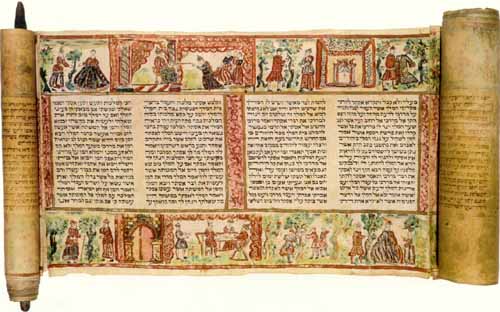
מְגִילַּת אֶסְתֵּר נִכְלְלָה כְּחֵלֶק מִן הַסְּפָרִים הַקְּדוֹשִׁים לְיַהֲדוּת וּכְחֵלֶק מִן הַקּוֹדֵקְס הַמִּקְרָא (22 סְפָרִים בִּלְבַד מִתּוֹךְ רַבִּים כְּגוֹן מִשְׁלֵי בֵּן סִירָה, סִפְרֵי הַמַּכַּבִּים, סֵפֶר הַיּוֹבְלִים וְעוֹד) עַל אַף שֶׁזֶּהוּ הַסֵּפֶר הַיְחִידִי הַנִּרְאֶה כְּהִיסְטוֹרִי בִּלְבַד וּשְׁמוֹ שֶׁל הָקָּבָּ"ה אֵינוֹ מוּזְכָּר בּוֹ אֲפִילּוּ פַּעַם אַחַת! בְּחִירָה מְעַנְיֶינֶת בְּיוֹתֵר, לְטַעְמִי גַּם שָׂמָה שֶׁל הַמְּגִילָּה "אֶסְתֵּר"- נִשְׁמַע כְּמוֹ "הֶסְתֵּר" מְרַמֵּז עַל "הֵיעָדֵר הַשְׁגָּחָה אֱלוֹהִית", אַף כִּי צֵרוּפֵי הַמִּקְרִים בִּמְגִילָּה אֵינָם מַשְׁאִירִים מָקוֹם לְסָפֵק בַּאֲשֶׁר לָאֶצְבַּע הַמְכַוֶּונֶת אֶת מַהֲלַךְ הָאֵירוּעִים. זוֹהִי הַסִּיבָּה הָרִאשׁוֹנָה לְמִנְהָג הַתַּחְפּוֹשֶׂת בְּפוּרִים, אוֹ, אִם תִּרְצוּ, לְכִיסּוּי הַפָּנִים בְּמַסֵּכָה (אַגַּב, הַמִּילָּה mask בְּאַנְגְּלִית הִגִּיעָה מִלָּטִינִית שֶׁלָּקְחָה אֶת הַמִּילָּה מ... עִבְרִית!), דָּבָר הַמְבָטֵא אֶת הֶסְתֵּר הַפָּנִים (שֶׁל הָקָּבָּ"ה) וְאֶת הֱיוֹתוֹ מֵאֲחוֹרֵי הַמָּסָךְ.
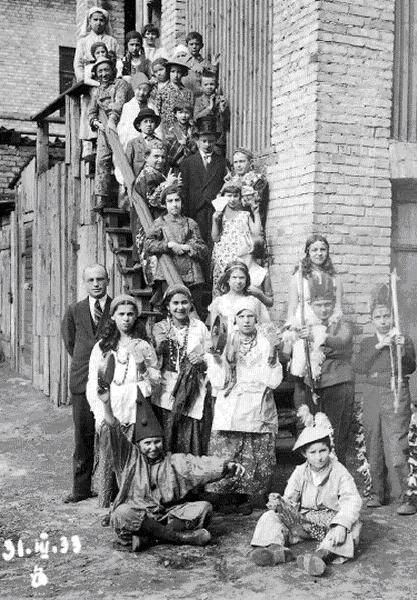
Children dressing up for Purim 1933
רַעְיוֹן הַתַּחְפּוֹשֶׂת מַגִּיעַ גַּם מִתּוֹךְ עִיקָּרוֹן ה"וְנַהֲפוֹךְ הוּא"- הִיפּוּךְ הַגּוֹרָלוֹת שֶׁהָיָה בַּמְּגִילָּה. בְּנוֹסָף עַל כָּךְ, יֶשְׁנָהּ הַהַנְחָיָה מִבֵּית הוֹרָאַתָם שֶׁל חֲזַ"ל הָאוֹמֶרֶת כִּי "חייב איניש לבסומי בפורים עד דלא ידע בין ארור המן לברוך מרדכי" (מגילה ז). אָדָם צָרִיךְ לִשְׁתוֹת לְשׁוכְרָה עַד אֲשֶׁר לֹא יַבְדִּיל בֵּין הָמָן וּבֵין מָרְדְּכַי- עָוֶול וְצֶדֶק, שָׁחוֹר וְלָבָן. טִישְׁטוּשׁ הַגְּבוּלוֹת הַבְּרוּרִים לָנוּ כָּל כָּךְ מֵעֶצֶם הַחַיִּים הַיְּהוּדִיים מְאַלֵּץ אוֹתָנוּ לְחַפֵּשׂ אֶת הָאֱמֶת שֶׁלָּנוּ, וְאוּלַי אַף אֶת הָאִישִׁיּוּת הָאֲמִיתִּית הַמּוּדְחֶקֶת וְהַמִּסְתַּתֶּרֶת מֵאֲחוֹרִי מְחִיצּוֹת וּמַסְכִּים בְּמֶשֶׁךְ הַשָּׁנָה כּוּלָּהּ וּמַרְגִּישָׁה בִּיטָּחוֹן לָצֵאת לְאוֹר רַק כַּאֲשֶׁר פָּנֵינוּ מוּסְתָרוֹת מֵאֲחוֹרִי מָסָךְ.
בֵּין הָעֵדוּיּוֹת הַהִיסְטוֹרִיּוֹת שֶׁיֵּשׁ לָנוּ עַל מִנְהָג הַתַּחְפּוֹשׂוֹת בְּפוּרִים (בְּאֵירוֹפָּה הֵחֵל מִן הַמֵּאָה ה16!) אָנוּ שׁוֹמְעִים גַּם עַל מִנְהָגִים נָכְרִיים לְהִתְחַפֵּשׂ בִּתְקוּפָה זוֹ שֶׁבָּהּ מַתְחִיל הָאָבִיב. וְכָאן, כְּמוֹ תָּמִיד, בָּאָה שְׁאֵלַת הַבֵּיצָה וְהַתַּרְנְגוֹלֶת- הַאִם הַסִּיבּוֹת לְתַחְפּוֹשֶׂת נוֹבְעוֹת מִתּוֹךְ הַיַּהֲדוּת אוֹ שֶׁמָּא הַיְּהוּדִים רָאוּ מִנְהָג נֶחְמָד וְהֶחְלִיטוּ לְאַמֵּץ אוֹתוֹ, תּוֹךְ שִׁימּוּשׁ בְּמֵתוֹדוֹלוֹגְיָה יְהוּדִית (כְּמוֹ בְּתוֹפָעַת הָהִיבְרִיש)?

פּוּרִים שָׂמֵחַ,

אָוסְנַת.
Dressing up on Purim

Shavua Tov and Happy Adar to all of you!
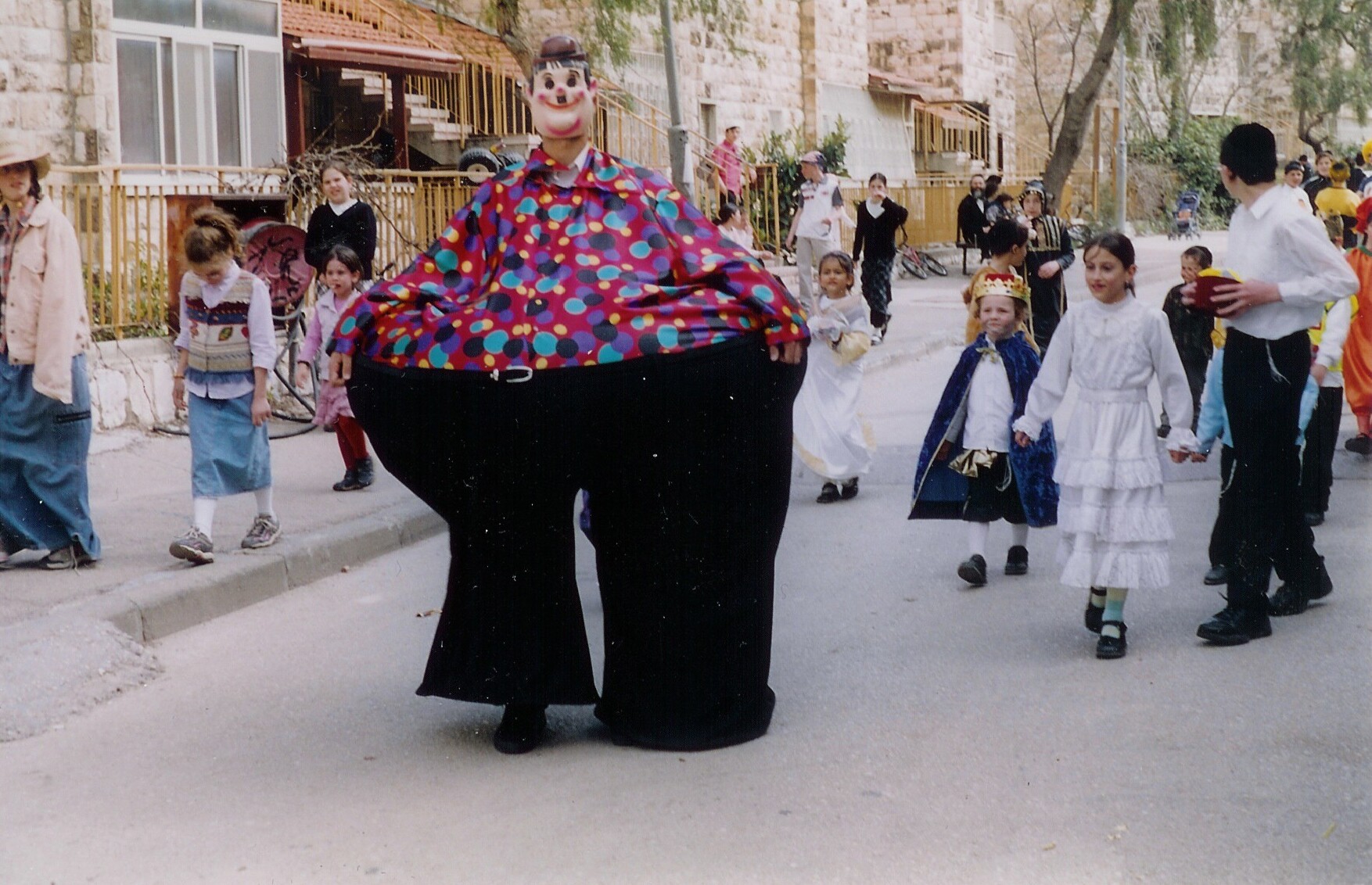
Purim in Jerusalem
In honor of the upcoming festival of Purim I wanted to play around a little with the root ח.פ.ש, the root of words such as "תַּחְפּוֹשֶׂת" (costume) but also of words such as "לְחַפֵּשׂ" (to seek). So, what's the connection between these words? And anyway where did the tradition to dress up in costume on Purim arise from?

The Megila (scroll) of Esther was included as a part of the Jewish holy books and as part of the Septuagint (which includes only 22 books out of many such as the wisdom of Ben Sira, Maccabees, the book of Jubilees and more) despite it being the single book that looks like a historical book alone and the name of G-d is not mentioned even once! – according to my reasoning this is the most interesting decision (when deciding what to include) . Additionally the name of the Megila- "Esther" sounds very much like "Hester" which is an indication of (the acronym for) "Lack of divine providence"; Although the coincidences in this Megila leave no room for doubt as to the finger which directed the course of events. This is the first reason for the tradition of dressing up on Purim, or if you wish, to cover your face with a mask (incidentally the word mask in English comes from Latin which to the word from…. Hebrew!) which expresses the concealment (of G-d) and being behind a screen.

The idea of dressing up appears also within the principle of "V'nahafoch hu"- the reversal of the destiny described in the Megila. In addition to this, there is the recommendation from the teachings of the sages which say that:

 (חייב איניש לבסומי בפורים עד דלא ידע בין ארור המן לברוך מרדכי" (מגילה ז"

One needs to drink to a state of drunkenness until he cannot distinguish between Haman and Mordechi, justice and injustice, black and white. Blurring the clear boundaries that for us are so crucial in the Jewish lifstyle forces us to find our own truth and even our real personality repressed and hidden behind barriers and masks throughout the year which only feels confident to come to light when its face is hidden behind a screen.

The Adloyada parade in Holon -details in newsletter
Amongst the historical evidence that we have for the custom of dressing up on Purim (in Europe beginning from the 16th century) we hear also about the foreign customs to dress up during this period which brings the beginning of Spring. And here, like always, comes the chicken and the egg question- Does the reason to dress up derive from Judaism or from what the Jews viewed as a nice custom to adopt, whilst using the Jewish slant (like the period of Hebreish)?


Happy Purim!

Osnat

For more details of Purim events and learning Hebrew see our website www.ulpanaviv.com and click on Newsletter.

Monday, February 27, 2012

יוֹם הַמִּשְׁפָּחָה

!For English scroll all the way down!
יוֹם הַמִּשְׁפָּחָה

לִכְבוֹד יוֹם הַמִּשְׁפָּחָה חָשַׁבְתִּי לְדַבֵּר עַל מָכְבֶּסָת הַמִּילִּים וְהִתְפַּתְּחוּת הַשָּׂפָה הָעִבְרִית.

הַתּוֹפָעָה אֵינֶנָּהּ מַשֶּׁהוּ חָדָשׁ, אֶלָּא מוּכֶּרֶת כְּבָר מִתְּקוּפַת הַתַּנַ"ךְ. מִי שֶׁקּוֹרֵא בַּתַּנַ"ךְ נוֹסַח הַמְסוֹרָה יָכוֹל לִרְאוֹת כִּי לְעִיתִּים, לְצַד הַטֶּקְסְט, מוֹפִיעָה מִילָּה נוֹסֶפֶת הַמַּחֲלִיפָה אֶת הַמִּילָּה הַנִּמְצֶאת בַּטֶּקְסְט בְּאוֹתָהּ הַשּׁוּרָה, לְמָשָׁל בִּשְׁמוּאֵל א' פֶּרֶק ו'. הַשִּׁינּוּי נַעֲשָׂה עַל מְנַת  שֶׁלֹּא לְדַבֵּר בְּשָׂפָה מְלוּכְלֶכֶת מִפְּאַת כְּבוֹד הַצִּיבּוּר וּכְבוֹד הַמִּקְרָא. גַּם כַּיּוֹם, אָנוּ נוֹהֲגִים לְכַבֵּס מִילִּים עַל מְנַת שֶׁיַּתְאִימוּ לְרוּחַ הַתְּקוּפָה- מִבְּחִינָה פּוֹלִיטִית, חֶבְרָתִית אוֹ תַּרְבּוּתִית. הַיּוֹם, לְמָשָׁל, כְּבָר לֹא נָהוּג לְכַּנוֹת אָדָם אוֹ קְבוּצָה עַל פִּי צֶבַע הָעוֹר אוֹ עַל פִּי הַמּוֹצָא  אוֹ עַל פִּי יְכוֹלוֹתָיו אוֹ אִי יְכוֹלוֹתָיו (בְּיִשְׂרָאֵל אֲנַחְנוּ קְצָת מְפַגְּרִים מֵאָחוֹר בְּעִנְיָין זֶה כְּמוֹ בִּשְׁאָר עִנְיְינֵי הַנִּימוּס...). כָּךְ הָפְכוּ כָּל מִילּוֹת הַתֵּיאוּר לַאֲנָשִׁים בְּעָלֵי מוּגְבָּלוּיוֹת שׁוֹנוֹת לְ"בַעֲלִי צְרָכִים מְיוּחָדִים"- בִּיטּוּי אֲשֶׁר אֵינוֹ מַדְגִּישׁ אֶת הַמּוּגְבָּלוֹת שֶׁל הָאָדָם אֶלָּא אֶת הַצַּד שֶׁבּוֹ הוּא "מְיוּחָד" יוֹתֵר וּמַעֲבִיר מַשְׁמָעוּת חִיּוּבִית יוֹתֵר. הַסְּפָרִים הָפְכוּ ל"מְעַצְבֵי שֵׂיעַר", הַמַּזְכִּירוֹת ל"מְנַהֲלוֹת אָדְמִינִיסְטְרָטִיבִיוֹת" וְכַדּוֹ'.

לְצַעֲרִי, כְּמוֹ כָּל תּוֹפָעָה, בְּנוֹסָף עַל הַדְּבָרִים הַטּוֹבִים אוֹתָם הִיא מְחוֹלֶלֶת הִיא גַּם סוֹחֶפֶת אִיתָּהּ וְלוֹקַחַת אֶת הַדְּבָרִים הַטּוֹבִים שֶׁהָיוּ לָנוּ לִפְנֵי פְּרוֹץ אוֹפְנָת הַשִׁדְרוּגִים- כְּמוֹ יוֹם הַאֶם, שֶׁנֶּעֱלַם וְחָלַף לוֹ עִם הַזְּמַן וּפִינָּה אֶת מְקוֹמוֹ לְיוֹם חָדָשׁ- "יוֹם הַמִּשְׁפָּחָה". כִּבְיכוֹל- זֶהוּ שִׁינּוּי מְבוֹרָךְ הַמֵּכִיל בְּתוֹךְ יוֹם זֶה אֶת כָּל סוּגֵי הַמִּשְׁפָּחוֹת- בַּעֲלוֹת הַמּוֹדֶל הַזּוּגִי הַדּוּ מִינִי, הַמִּשְׁפָּחוֹת  הַחַד הוֹרִיוֹת, הַחַד מִינִיוֹת וְכָל מִשְׁפָּחָה אָלְטֶרְנָטִיבִית שֶׁהִיא וּמַדְגִּישׁ אֶת הַקֶּשֶׁר הַמִּשְׁפַּחְתִּי וְלֹא רַק אֶת עָמַלָה שֶׁל הַאֶם. וּבֶאֱמֶת שֶׁאֲנִי מְבִינָה וְרוֹאָה אֶת הַצּוֹרֶךְ שֶׁבַּ"חַג הֶחָדָשׁ", אֲבָל לִפְעָמִים, רַק לִפְעָמִים, נִרְאֶה לִי שֶׁ"מֵּרוֹב עֵצִים לֹא רוֹאִים אֶת הַיַּעַר", וּמֵרוֹב קִשְׁרֵי מִשְׁפָּחָה שׁוּב לֹא רוֹאִים אֶת הַאֶם.

 Family Day
In honor of the day of the family (which fell at the end of last week) I thought that I would speak about 'cleaning' words and opening up the Hebrew language.


This phenomenon is not something new, rather we already recognize it from the time of the bible. Anyone who reads the bible with the Masoretic text (the authoritative Hebrew text of the bible), can see that sometimes, to the side of the text, appears an additional word which replaces the word which is found on the same line of the text, for example in Samuel 1:6. The change is made in order to refrain from saying dirty language in honor of the community and the bible. Also today we act to clean up our language in order to befit the general feeling of the period from a political, social or cultural standpoint. Today, for example, we don't designate a person or group based on the color of their skin, their ethnicity, their abilities or disabilities (in Israel though we are somewhat lagging behind in this matter just like in other matters of etiquette…). And so they have changed all the descriptive words for people with different disabilities to 'people with special needs' a phrase which does not emphasize the disabilities of the person rather the side that he is more 'special' and this makes the meaning more positive. Hairdressers have changed to become "hair designers", secretaries to "administration managers" e.t.c

Unfortunately, as with all phenomenon, in addition to the good things that they generate, they take over and capture the good things that existed before the penetration of the 'upgraded' fashion- like Mother's day which has disappeared and as time has passed, has given way to a new day of the month "Family day". Allegedly this is a welcome change which encompasses in one day all the types of family- two sex couples, single parent families, single sex and all alternative families and it emphasizes the family ties and not just the work of the mother. And in truth I do understand and see the need for the "new festival" but sometimes, just sometimes, it seems to me that "You can't see the forest from all the trees" and from all the family connections, again, you don't see the mother.

Sunday, February 19, 2012

Purim is on it's way

For English scroll down!


שָׁלוֹם לְכוּלָּם,
חוֹדֶשׁ אֲדָר מִתְקָרֵב וְאִיתּוֹ הָאָבִיב (וְהַאֲלֶרְגִיוֹת...), הַשִּׂמְחָה וְהַתַּחְפּוֹשׂוֹת שֶׁמְּמַלְּאוֹת אֶת הַחֲנוּיוֹת. אַווִירָת הַחַג כְּבָר שׁוֹטֶפֶת אֶת הָרְחוֹבוֹת וְיַחַד אִיתָּהּ אַווִירָת הַ"נַּהֲפוֹךְ הוּא". סִיפּוּר מְגִילַּת אֶסְתֵּר הוּא דּוּגְמָה מְצוּיֶּינֶת לְכָךְ שֶׁהַגַּלְגַּל יָכוֹל לְהִתְהַפֵּך וְהַמַּצָּב יִשְׁתַּנֶּה "אֲפִילּוּ חֶרֶב מוּנַּחַת עַל צַוָּוארוֹ שֶׁל אָדָם אַל יִמְנַע עַצְמוֹ מִן הָרַחֲמִים". וּבֶאֱמֶת, הַמַּצָּב שֶׁל יְהוּדֵי מַמְלֶכֶת אֲחַשְׁוֶורוֹש לֹא הָיָה יָכוֹל לִהְיוֹת גָּרוּעַ יוֹתֵר, אֲבָל בְּכָל זֹאת הַגַּלְגַּל הִתְהַפֵּך, וּבְלָשׁוֹן הַמְּגִילָּה: "וְנַהֲפוֹךְ הוּא". רַעְיוֹן הַהִיפּוּךְ נָתַן לִיהוּדִים סִיבָּה לִקְצָת שִׂמְחָה וְהוּמוֹר בְּחַיֵּיהֶם הַקָּשִׁים וְהַמָּרִים וּבְעִיקָּר נָתַן לִי סִיבָּה לִכְתּוֹב עַל הַשִּׁימּוּשִׁים הַשּׁוֹנִים לְשׁוֹרֶשׁ ה.פ.כ.

הָפוּךְ- שֵׁם תּוֹאַר. זֶה בְּעֶצֶם אוֹמֵר כָּל דָּבָר שֶׁאֵינוֹ כַּדֶּרֶךְ בָּהּ הוּא אָמוּר לִהְיוֹת:

הַחֶדֶר הָפוּךְ- יֵשׁ בָּלָאגַן.

הַחוּלְצָה הֲפוּכָה- חֶלְקָהּ הַפְּנִימִי נִמְצָא בַּחוּץ.

הַכְּתָב הָפוּךְ- כְּתָב רְאִי.

בֵּן גּוּרְיוֹן עוֹמֵד הָפוּךְ- הָרֹאשׁ לְמַטָּה וְהָרַגְלַיִים לְמַעֲלָה. 

קָפֶה הָפוּךְ הוּא בְּעֶצֶם תֵּיאוּר שֶׁל דֶּרֶךְ הַגָּשַׁת הַקָּפֶה- הֶחָלָב לְמַטָּה וְהָאֶסְפְּרֵסוֹ לְמַעֲלָה: וְכַמּוּבָן, הַכְוָונָה הִיא לְקָפֶה לָאטֶה.

אָומְנָם בְּדֶרֶךְ כְּלָל מַשְׁמָעוּת הַשּׁוֹרֶשׁ הִיא הִשְׁתַּלְשְׁלוּת אֵירוּעִים שֶׁלֹּא לְפִי הַצָּפוּי אוֹ מַשֶּׁהוּ מְנוּגָּד לְדֶרֶךְ הָרְגִילָה, אַךְ לִפְעָמִים לְשׁוֹרָשִׁים יֶשְׁנוֹ קֶשֶׁר שֶׁל נִיגּוּד (אוֹ הִיפּוּךְ, אִם תִּרְצוּ), כְּמוֹ לְמָשָׁל בַּמִּקְרֶה שֶׁלָּנוּ:
"הַיֶּלֶד גָּדַל וְהָפַךְ לְגֶבֶר"- זֶהוּ דָּבָר נוֹרְמָאלִי לַחֲלוּטִין, הִשְׁתַּלְשְׁלוּת אֵירוּעִים טִבְעִית וּצְפוּיָה. אוֹתוֹ הַדָּבָר לְגַבֵּי הַזַּחַל שֶׁהוֹפֵךְ לְגוֹלֶם וְאָז לְפַרְפַּר.

אֲנַחְנוּ אוֹמְרִים שֶׁהַשּׁוֹרֶשׁ מֵקֵל עַל הַהֲבָנָה שֶׁל הַמִּילִּים בְּעִבְרִית כִּי בְּעֶזְרָתוֹ אֶפְשָׁר לְזַהוֹת מִילִּים הַקְּשׁוּרוֹת בֵּינֵיהֶן, אַךְ לְצַעֲרֵנוּ זֶה גַּם יָכוֹל לְהַקְשׁוֹת לִפְעָמִים כַּאֲשֶׁר סוּג הַקֶּשֶׁר שׁוֹנֶה וּמְשַׁנֶּה אֶת הַמַּשְׁמָעוּת. וְעַל זֶה אוֹמְרִים בְּיִשְׂרָאֵל "הָפוּךְ עַל הָפוּךְ"- בְּמִקְרֶה וְאָדָם מַצִּיעַ לְפָנֶיךָ שְׁתֵּי אֶפְשָׁרוּיּוֹת כַּאֲשֶׁר הוּא מְנַסֶּה לְנַתֵּב אוֹתְךָ לְאֶפְשָׁרוּת מְסוּיֶּימֶת- הוּא יַצִּיג אֶת הָאֶפְשָׁרוּת הֶעְדִּיפָה עָלָיו כַּעֲדִיפָה לְךָ. אִם אַתָּה רוֹצֶה לִהְיוֹת מַמָּשׁ יִשְׂרְאֵלִי וּלְנַסּוֹת לְהִתְחַכֵּם- אַתָּה תִּבְחַר דַּוְוקָא בַּאוֹפְּצְיָה הַפָּחוֹת טוֹבָה, כִּי הִיא בֶּאֱמֶת הַטּוֹבָה יוֹתֵר. זֶה הָפוּךְ עַל הָפוּךְ. מְבַלְבֵּל? בְּרוּכִים הַבָּאִים לְיִשְׂרָאֵל! 


The month of Adar is approaching and with it the Spring (and allergies), the happiness and the costumes that fill up all the stores. The atmosphere of the festival is already flowing through the street and with it, the atmosphere of  "נַהֲפוֹךְ הוּא" the idea of turning things upside down. The story of Megilat Esther is an excellent example of this in that the wheel can rotate the situation can change "Even a sword placed on the neck of a man does not prevent itself from mercy". And in truth, the situation of the Jews in the kingdom of Achashverosh couldn't really have got any worse but despite all this, the wheel flipped and in the words of the Megila: "וְנַהֲפוֹךְ הוּא" . The idea of turning things on their heads has given Jews a reason to be happy and have a sense of humor in what is (often) a hard and bitter life and in essence has given me a reason to write on the different uses of the root ה.פ.כ.

הָפוּךְ – This is the adjective meaning inverted/ upside down. It essentially is speaking about 
everything that isn't the way that is meant to be:

הַחֶדֶר הָפוּךְ- The room is upside down, literally meaning there is a mess.

הַחוּלְצָה הֲפוּכָה- The shirt is inside out.

הַכְּתָב הָפוּךְ- mirror image (writing).

בֵּן גּוּרְיוֹן עוֹמֵד הָפוּךְ- Ben Gurion stance inverted- Head down, feet up.

קָפֶה הָפוּךְ-  'Upside down coffee' is actually a description of the way the coffee is served- milk at the bottom and espresso on top: Essentially it is a café latte!

Although usually the meaning of this root is a turn of events that are not expected or contrary to normal, sometimes with roots relating to conflict, their meanings change (or they reverse, if you will) such as in our case:

"הַיֶּלֶד גָּדַל וְהָפַךְ לְגֶבֶר" "The boy grew to become a man"- This is perfectly normal a natural series of events which is expected. The same thing goes for the larva which becomes ((הוֹפֵךְ a chrysalis and then a butterfly.

We say that the root promotes an understanding of Hebrew words because it helps in the ability to identify words which have a connection between them but unfortunately it can also make it harder, sometimes, when the type of connection is different and changes the meaning. And about this, in Hebrew we say: " הָפוּךְ עַל הָפוּךְ" (opposite of the opposite)- in essence is where someone presents you with two options whilst trying to send you towards a certain option, they will present the preferred option as if it is better for you. If you want to be very Israeli and try to be clever- you will choose specifically the least good option because it is really the best. This is הָפוּךְ עַל הָפוּךְ. Confusing? Welcome to Israel!!

Thursday, February 2, 2012

ט"ו בשבט

!!Scroll down for the English!!

שָׁלוֹם לְכוּלָּם,
בְּיוֹם רְבִיעִי הַבָּא, נַחְגּוֹג אֶת ט"וּ בִּשְׁבָט, חַג הַמּוּקְדָּשׁ לַטֶבַע, לָעֵצִים וְלַפֵּירוֹת אֶרֶץ יִשְׂרָאֵל.

יִשְׂרָאֵל תָּמִיד הָיְיתָה בַּחֲזִית פִּיתּוּחַ הַהַמְצָאוֹת הַנּוֹגְעוֹת לִשְׁמִירָה עַל הַסְּבִיבָה. יֶשְׁנָן מִגְוָון דּוּגְמָאוֹת לְכָךְ, בֵּינֵיהֶן  הַשִּׁימּוּשׁ בַּמִּדְבָּר לְמַטָּרוֹת חַקְלָאוּת, אוֹ הַמְצָאַת הַטָפְטָפוֹת הַחוֹסְכוֹת בְּמַיִם לְהַשְׁקָיָה.

חַג ט"וּ בְּשֵׁבֶט הוּא הִזְדַּמְּנוּת נִפְלָאָה לְהִיזָּכֵר כִּי אַחַד הַתַּפְקִידִים שֶׁלָּנוּ עַל כַּדּוּר הָאָרֶץ הִינּוֹ לִשְׁמוֹר עַל הַסְּבִיבָה, לְהָגֵן עָלֶיהָ וְלִדְאוֹג לָהּ. גַּם "הָאֶזְרָח הַקָּטָן" יָכוֹל לִדְאוֹג לַסְּבִיבָה  בִּדְרָכִים פְּשׁוּטוֹת לְמַדַּי, כְּגוֹן מִחְזוּר נְיָיר וּפְלַסְטִיק, שִׁימּוּשׁ ב"חַסְכָמִים" וּנְסִיעָה בְּתַחְבּוּרָה צִיבּוּרִית (בִּמְקוֹם בְּרֶכֶב).

אֶחָד מֵהַסְּמָלִים שֶׁל חַג הַטּ"וּ בִּשְׁבָט הוּא הַשְּׁקֵדִיָּיה, מִשּׁוּם שֶׁהוּא הָעֵץ הָרִאשׁוֹן שֶׁפּוֹרֵחַ מִבֵּין עֲצֵי הַפְּרִי. מְעַנְיֵין לִרְאוֹת כִּי בַּשָּׂפָה הָעִבְרִית, שֵׁם הַפְּעוּלָּה "לִשְׁקוֹד" וְ"שְּׁקֵדִיָּיה" מֵאוֹתוֹ הַשּׁוֹרֶשׁ (ש.ק.ד), הַמְבַטֵא חֲרִיצוּת וְלַמְדָנוּת. אַף בַּתַּנַ"ךְ, עֵץ הַשָּׁקֵד הִינּוֹ סֵמֶל לְאֵירוּעִים שֶׁאֲמוּרִים לְהִתְמַמֵּשׁ בִּמְהֵרָה. כָּךְ לְדוּגְמָא בִּנְבוּאָתוֹ שֶׁל יִרְמְיָהוּ:  "מָה אַתָּה רוֹאֶה יִרְמְיָהוּ ... מַקֵּל שָׁקֵד אֲנִי רוֹאֶה. וְיֹאמַר ה' אֵלַי הֵיטַבְתָּ לִרְאוֹת כִּי שׁוֹקֵד אֲנִי עַל דְּבָרִי לַעֲשׂוֹתוֹ" (ירמיהו א, יא-יב).


Hello all!

On this coming Wednesday we will be celebrating Tu B'Shvat (the 15th of the month of Shvat), the festival dedicated to nature, to trees and to the fruits of Israel.

Israel has always been at the forefront of new inventions relating to preservation of the environment. There are various examples including using the desert for agricultural purposes and the invention of water saving drip irrigation.

The festival of Tu B'Shvat is a wonderful chance for us to remember that one of our roles on planet earth is to protect the environment, to defend her and to look after her. Also the "ordinary citizen" can worry about the environment and to protect her in the simplest ways, such as recycling paper and plastic, usage of water saving devices and travelling by public transport (instead of by car).

One of the symbols of the festival of Tu B'Shvat is the almond tree because it is the first tree that blossoms amongst the fruit trees. It is interesting to see that in the Hebrew language, the verb "to be diligent/ persevere" (לִשְׁקוֹד) and "almond tree" (שְׁקֵדִיָּיה) are from the same route (ש.ק.ד), which reflects diligence and learning. Even in the bible, the almond tree was a sign of events that were to materialize fast. Take the example in the prophecies of Jeremiah: "What do you see Jeremiah…I see a rod of an almond tree. And G-d said to me, you have seen well because I am diligent over my word to perform it" (Jeremiah 1: 11-12).
    

Sunday, January 29, 2012

פָּרָשַׁת בֹּא


פָּרָשַׁת בֹּא
פָּרָשַׁת הַשָּׁבוּעַ מַתְחִילָה בְּהוֹדָעָתוֹ שֶׁל הָקָּבָּ"ה לְמֹשֶׁה כִּי עָלָיו לָלֶכֶת אֶל פַּרְעֹה וּלְהַכּוֹת אוֹתוֹ וְאֶת עַמּוֹ בַּעֲשֶׂרֶת הַמַּכּוֹת. יוֹתֵר מְעַנְיֶינֶת הִיא הַסִּיבָּה לַמַּכּוֹת הָאֵלֶּה, שֶׁנָּפְלוּ (נִיחְתוּ) עַל מִצְרַיִם, שֶׁלֹּא בְּאַשְׁמַת פַּרְעֹה מֵאַחַר וְהָקָּבָּ"ה הוּא שֶׁהִקְשִׁיחַ אֶת לִיבּוֹ. אִם כֵּן- מַהִי הַסִּיבָּה? כְּדֵי שֶׁבְּנֵי יִשְׂרָאֵל, וְעַם יִשְׂרָאֵל בְּעָתִיד, יַאֲמִינוּ בְּכוֹחוֹ שֶׁל הָקָּבָּ"ה.

אֲבָל בְּנֵי יִשְׂרָאֵל כְּבָר שָׁמְעוּ מִמֹּשֶׁה וְאַהֲרוֹן מִיהוּ הָקָּבָּ"ה וְהֵם מַכִּירִים אֶת הַסִּיפּוּרִים עַל אֱלוֹהֵי אֲבוֹתָם.- "אֱלוֹהֵי אַבְרָהָם, אֱלוֹהֵי יִצְחַק וֶאֱלוֹהֵי יַעֲקֹב", שֶׁהֲרֵי כָּךְ הָקָּבָּ"ה  מַצִּיג עַצְמוֹ בִּפְנֵי מֹשֶׁה, שֶׁהָיָה חָסֵר אֶת הָרֶקַע הַיְהוּדִי- הַשִּׁבְטִי שֶׁבְּוַודַּאי שֶׁהָיָה לִבְנֵי יִשְׂרָאֵל אֲשֶׁר חָיוּ בְּמִסְגֶּרֶת מְשׁוּתֶּפֶת וְחָיוּ חַיֵּי פוֹלְקְלוֹר. לָכֵן- פַּרְעֹה קִיבֵּל אֶת הַמַּכּוֹת לֹא כְּדֵי לְהַעֲנִישׁוֹ אֶלָּא כְּדֵי לְהַרְאוֹת לִבְנֵי יִשְׂרָאֵל אֶת כּוֹחוֹ כִּי הָקָּבָּ"ה יָדַע שֶׁפַּרְעֹה יִשָּׁבֵר וְיַאֲמִין מִיָּד אַחֲרֵי הַמַּכָּה הָרִאשׁוֹנָה. אַחֶרֶת- מָה הַטַּעַם לְהַקְשָׁחָת הַלֵּב?

בְּנֵי יִשְׂרָאֵל שָׁמְעוּ כְּבָר עַל כּוֹחוֹ שֶׁל אֶל זֶה, אַךְ לֹא הָיוּ מְשׁוּכְנָעִים בַּאֲמִיתּוּת הַדְּבָרִים. הֵם כְּבָר רָאוּ אֶת הַאוֹתוֹת וְשָׁמְעוּ אֶת דִּבְרֵיהֶם שֶׁל מֹשֶׁה וְאַהֲרוֹן אַךְ עֲדַיִין הָיוּ סְקֶפְּטִיים. מָה שֶׁמַּדְהִים הוּא- שֶׁהָקָּבָּ"ה נוֹתֵן לֶגִיטִימַצְיָה לַפִּיקְפּוּק שֶׁלָּהֶם בְּכוֹחוֹ וְנוֹתֵן לָהֶם מוֹפָע מַרְשִׁים שֶׁל יְכוֹלוֹתָיו ע"מ לְהוֹכִיחַ לָהֶם אַחַת וְלַתָּמִיד.
אֵלֶּה הֵן שְׁאֵלוֹת רֵטוֹרִיוֹת. הַתְּשׁוּבָה לֹא חֲשׁוּבָה וְהַשְּׁאֵלָה נוֹתֶרֶת תְּלוּיָה בָּאֲוִויר וּמְחַזֶּקֶת אֶת הַהֲבָנָה- "וָואוּ, כְּנִרְאֶה הָיָה לוֹ יוֹם מַמָּשׁ קָשֶׁה בַּעֲבוֹדָה". 

Parashat Bo
This week's Parasha begins with the announcement from G-d to Moses that he has to go to Pharoah and strike him and his people with the 10 plagues. More interesting is the reason for these plagues that fell (descended) upon Egypt which cannot be blamed on Pharoah due to G-d hardening his heart. If this is so- what is the reason? So that the children of Israel and the future nation of Israel will believe in G-d's might.

But the children of Israel already heard from Moses and Aharon who G-d was and they recognized the stories about the G-d of our forefathers- "the G-d of Abraham, the G-d of Issac, the G-d of Jacob". Indeed G-d presents Himself before Moses, who was without the Jewish tribal background which the children of Israel definitely had living in a communal framework and living a life filled with folklore. Therefore Pharoah received the plagues not in order to punish him rather in order to show the Children of Israel the strength that G-d  knew that Pharoah would break and believe immediately after the first plague. Otherwise- what was the point of hardening his heart?

The children of Israel had already heard the might of this G-d, but they were not convinced  about the truth of the occurrences. They had already seen the signs and heard what Moshe and Aharon said but they were still skeptics. What is amazing is that G-d gave legitimacy to their uncertainty in his might and gave them an impressive display of his abilities in order to prove to them once and for all.

And this is what is so beautiful and special about Judaism- the openness and freedom to ask questions and bring uncertainty, also after you have heard and studied. In essence it is the asking of the question which is the important process in learning and in faith. This moves me to an interesting manifestation in the Modern Hebrew language. We don't tell or describe, we ask: "Isn't this nice!", "How beautiful are you!" "Isn't this a nice day!" "Isn't this an occurrence!" "How hungry am I!" 

These are rhetorical questions. The answer is not important and the question remains hanging in the air and reinforces the understanding- "Wow it seems to be like he had a very hard day at work".
 

Thursday, January 19, 2012

Ben Yehuda

Scroll down for English

בֵּן יְהוּדָה
בְּחוֹדֶשׁ יָנוּאָר זֶה אָנוּ מְצַיְּינִים 157 שָׁנָה לְהוּלַּדְתּוֹ שֶׁל אֱלִיעֶזֶר בֵּן יְהוּדָה, הָאִישׁ שֶׁבִּזְכוּתוֹ אָנוּ מְדַבְּרִים הַיּוֹם בִּשְׂפַת הַתַּנַ"ךְ גַּם בַּמַּכּוֹלֶת וְגַם בָּאוּנִיבֶרְסִיטָה. בֵּן יְהוּדָה אָומְנָם לֹא הִמְצִיא אֶת הַשָּׂפָה הָעִבְרִית, וְהַמִּילּוֹן שֶׁלּוֹ אֵינֶנּוּ שִׁימּוּשִׁי בְּיוֹתֵר, אַךְ אָנוּ חַיָּיבִים לוֹ תּוֹדָה גְּדוֹלָה. גַּדְלוּתוֹ הִיא בַּכָּךְ שֶׁדָּחַף וְקָרָא לָעַם הַיְהוּדִי לַחֲזוֹר לִשְׂפַת הָאָבוֹת, לִשְׂפַת הַמָּקוֹר שֶׁלּוֹ וּלְהִתְיַיחֵס לְעִבְרִית כְּאֶל שָׂפָה חָיָה וְנוֹשֶׁמֶת, בָּהּ אֶפְשָׁר לְהִשְׁתַּמֵּשׁ גַּם בָּעִידָּן הַמּוֹדֶרְנִי וְגַם לְעִנְיְינֵי חוֹל.
דַּרְכּוֹ שֶׁל בֵּן יְהוּדָה לֹא הָיְיתָה קַלָּה, וַחֲלוֹמוֹ גָּרַם לוֹ וּלְמִשְׁפַּחְתּוֹ יִיסּוּרִים רַבִּים וּבִידּוּד חֶבְרָתִי. הוּא הָיָה שָׂנוּא עַל הַיְּהוּדִים שֶׁגָּרוּ אָז בְּיִשְׂרָאֵל (רוּבָּם יְהוּדִים דָּתִיִים שֶׁגָּרוּ בְּיִשְׂרָאֵל מְסִיבּוֹת דָּתִיוֹת וְלָאו דַּוְוקָא צִיוֹנִיוֹת) בִּגְלַל רְצוֹנוֹ לַהֲפוֹךְ אֶת שְׂפַת הַקּוֹדֶשׁ לִשְׂפַת חוֹל וְהוּא הָיָה שָׂנוּא עַל הַשִּׁלְטוֹן הַעוֹתְ'מָנִי, מֵאַחָר וְהָיוּ לוֹ שְׁאִיפוֹת לְאוּמָנִיּוֹת אֲשֶׁר 
בִּגְלָלָן הוּא יָשַׁב גַּם בְּכֶלֶא.


גַּם בְּחַיָּיו הָאִישִׁים הוּא לֹא רָוָוה נַחַת- הוּא עַצְמוֹ הָיָה חוֹלֶה בְּשַׁחֶפֶת, אִישְׁתּוֹ הָרִאשׁוֹנָה, דְּבוֹרָה, מֵתָה לְאַחַר שֶׁנִדְבֶּקָה מִמֶּנּוּ וְכָךְ גַּם שְׁלוֹשָׁה מִיַּלְדֵיהֶם. בְּנוֹ הָרִאשׁוֹן, בֵּן צִיּוֹן (שֶׁאַחַר כָּךְ שִׁינָּה אֶת שְׁמוֹ לְ"אִיתָמָר"), הָיָה "הַיֶּלֶד הָעִבְרִי הָרִאשׁוֹן". תּוֹאַר זֶה נִשְׁמַע מְכוּבָּד מְאוֹד אַךְ גַּם גָּרַר אִיתּוֹ הַרְבֵּה קְשָׁיִים. אִיתָמָר הֵחֵל לְדַבֵּר בְּגִיל מְאוּחָר מְאוֹד וְהָיָה מְבוּדָּד מֵחֲבֵרִים, בִּגְלַל שֶׁהוּא הָיָה הַיֶּלֶד הַיָּחִיד שֶׁדִּיבֵּר עִבְרִית. רַק עִבְרִית.

אֶפְשָׁר לוֹמַר כִּי בֵּן יְהוּדָה וּמִשְׁפַּחְתּוֹ, (שֶׁתָּמְכָה בּוֹ לְאוֹרֶךְ כָּל הַדֶּרֶךְ וְלָקְחָה חֵלֶק בְּמִפְעָלוֹ), מִצְטָרְפִים אַל שַׁרְשֶׁרֶת הַנְּבִיאִים בְּעָלֵי אֵשׁ הָאֱמוּנָה הַיּוֹקֶדֶת בְּעַם יִשְׂרָאֵל וּבַעֲתִידוֹ אֲשֶׁר הִקְרִיבוּ  לְמַעַן חֲלוֹמָם אֶת חַיֵּיהֶם.

Ben Yehuda
In the month of January we commemorate 157 years since the birthday of Eliezer Ben Yehuda, the man in whose merit we speak today the language of the bible in the corner shop and in University. Ben Yehuda whilst he didn't invent the Hebrew language and his dictionary wasn't the most useful, we are still obliged to give him huge gratitude. His greatness was that he pressured and called on the Jewish people to return to the language of their forefathers, to their original language and to connect to Hebrew as a living and breathing language with which is able to be used as well in the modern era and with secular subjects.

Ben Yehuda's path was not easy and his dream caused him and his whole family great suffering and social isolation. He was loathed by the Jews that lived at that time in Israel (mostly the religious Jews who lived in Israel for religious reasons rather than Zionist reasons) because of his desire to change Hebrew from a holy language to a secular language. He was also hated by the Ottoman rule because of nationalist reasons; and for this he also ended up in prison.

Also in his private life he wasn't appeased- he, himself was sick with tuberculosis, his first wife Devora died after she caught it from him and in this manner so did 3 of their children. His firstborn Ben Zion (who later changed his name to Itamar), was the "first Hebrew boy" which when described like this sounds very honorable, but it also resulted with him having a lot of hardship. Itamar began to speak very late and he was lonely without friends because he was the only boy who spoke Hebrew, only Hebrew.

One can say that Ben Yehuda and his family (that supported him throughout his journey and took on a part of his work), join the chain of prophets with their burning fire of faith in the people of Israel and their future, who sacrificed their own lives for their dream.

Tuesday, January 3, 2012

Happy New Years!

For English scroll down....


שָׁלוֹם לְכוּלָּם.

חַג הַחֲנוּכָּה עָבַר, הַיְלָדִים חָזְרוּ לְבֵית הַסֵּפֶר וְעַכְשָׁיו אֲנַחְנוּ כְּבָר חוֹשְׁבִים עַל הַמְּסִיבָּה הַבָּאָה- רֹאשׁ הַשָּׁנָה הָאֶזְרָחִי, שֶׁנִּקְרָא גַּם "הַסִּילְבֶסְטֵר". אָז נָכוֹן שֶׁזֶּה לֹא מַמָּשׁ אֶחָד מֵרָאשֵׁי הַשָּׁנָה הַיְּהוּדִיים, אֲבָל גַּם זֹאת סִיבָּה לִמְסִיבָּה. בְּיַהֲדוּת יֵשׁ אַרְבָּעָה רָאשִׁי שָׁנָה, כָּכָה שֶׁכִּבְיָכוֹל אֵין לָנוּ בְּעָיָה לְהוֹסִיף עוֹד אֶחָד. רֹאשׁ הַשָּׁנָה הַמְפוּרְסָם בְּיוֹתֵר הוּא  א' בְּתִשְׁרֵי, הַיּוֹם בּוֹ נִבְרָא הָעוֹלָם וְהַיּוֹם בּוֹ מַתְחִילִים בִּסְפִירַת הַשָּׁנִים לְעִנְיָין שֶׁמִּיטָּה וְיוּבַל. ט"וּ בִּשְׁבָט הַמִּתְקָרֵב אֵלֵינוּ בִּמְהִירוּת הוּא רֹאשׁ הַשָּׁנָה לָאִילָנוֹת (לָעֵצִים). א' בְּנִיסָן הוּא רֹאשׁ הַשָּׁנָה לַמְּלָכִים וְלִשְׁלוֹשֶׁת הָרְגָלִים (כָּךְ שֶׁפֶּסַח הוּא בְּעֶצֶם הַחַג הָרִאשׁוֹן בַּשָּׁנָה) וְאַחֲרוֹן חָבִיב- א' בֶּאֱלוּל, שֶׁהוּא ר"ה לְמַעֲשֵׁר בְּהֵמָה, אֲבָל כְּבָר אֵינוֹ מִתְקַיֵּים בְּיָמֵינוּ.

הָרִאשׁוֹן בְּיָנוּאָר, לְעוּמַּת כָּל אֵלֶּה, אֵינֶנּוּ חַג יְהוּדִי כְּלָל (לַמְרוֹת שֶׁזֶּהוּ תַּאֲרִיךְ בְּרִית הַמִּילָה שֶׁל יְשׁוּעַ, הוּא יְשׁוּ- וְזֶהוּ בֶּטַח עִנְיָין יְהוּדִי מְאוֹד...). זֶהוּ רֹאשׁ הַשָּׁנָה שֶׁל הַלּוּחַ הַגְרֶגוֹרִיָאנִי אֲשֶׁר בַּמִּקְרֶה נִבְחַר גַּם כְּיוֹם הַזִּיכָּרוֹן שֶׁל הָאַפִּיפְיוֹר הַקָּתוֹלִי סִילְבֶסְטֵר הָרִאשׁוֹן שֶׁהָיָה יָדוּעַ בְּאִי אַהֲבָתוֹ לַכּוֹפְרִים וְלִיהוּדִים בְּעִיקָּר. מְסִיבָּה לֹא יְדוּעַה, הַשָּׂם "סִילְבֶסְטֵר" הָפַךְ לִשְׁמוֹ שֶׁל הַחַג בְּיִשְׂרָאֵל, וְלֹא "עֶרֶב הַשָּׁנָה הַחֲדָשָׁה", בְּדוּמָה לַאֲרָצוֹת אֲחֵרוֹת. אוּלַי עַל מְנַת לְהַפְרִיד בֵּינוֹ (שֶׁהוּא, כְּאָמוּר, חַג נוֹצְרִי) וּבֵין רָאשֵׁי הַשָּׁנָה הָעִבְרִיִּים.

אֲנַחְנוּ קוֹרְאִים לוֹ גַּם "רֹאשׁ הַשָּׁנָה הָאֶזְרָחִי", מְאַחַר וּשְׁמוֹ שֶׁל הַלּוּחַ הַגְרֶגוֹרִיָאנִי בְּיִשְׂרָאֵל הוּא "לוּחַ הַשָּׁנָה הָאֶזְרָחִי" אֲשֶׁר בּוֹ מִשְׁתַּמְּשִׁים בְּעִיקָּר בְּקֶשֶׁר לְעִנְיָינִים מִדִּינִים, אֲשֶׁר אֵינָם דָּתִיִים (מוֹעֲדִים מְיוּחָדִים וְכַדּוֹמֶה).


Shalom to you all!

Chanukkah has passed, the children have returned to school and we are now thinking about the next party- the new civil year, also called "Sylvester". It is true that it is not one of the Jewish new years but it is still an excuse to party! In Judaism we have four new years, so seemingly it is not a problem to add another. The most famous date of new year is the first of Tishrei, the day on which the world was created and the day upon which we begin to count the year in relation to Shmitah and Yovel (farming laws). The 15th of Shvat is speedily approaching and this is the new year for trees. The 1st of Nissan is the royal new year and of the three pilgrimage festivals (and so Pesach is in effect the first festival of the year) and the last but not least is the first of Elul which is the new year of the tithing of the animals but this is not carried out today.

The first of January as opposed to all of these, is not a general Jewish festival (despite it being the date of the brit milah of Yeshua, Jesus- and this is a very Jewish topic…). This is the New Year of the Gregorian calendar that in its origin was also the memorial day of the late Catholic Pope Sylvester 1st who was known for dislike of atheists and Jews. For a reason unknown, the name Sylvester has become the name of this festival in Israel instead of New Years Eve in the same way as other countries. Maybe this is to differentiate between it (which it can be said is a Christian festival) and between the Hebrew new years.

We also call this New Years, the Civil New Year. This is so called after the Gregorian calendar which in Israel is known as the "civil calendar" which is used in essence with regard to all political matters which are not religious (significant dates as an example).


Happy New Years