Ulpan Aviv logo

Ulpan Aviv logo
Ulpan

Thursday, April 19, 2012

Yom Ha Shoah, Holocaust Memorial Day

For English please scroll down

יום השואה
האם אי פעם חשבתם על משמעות השם "יום הזכרון לשואה ולגבורה"? אנחנו כמובן מבינים את משמעות "יום הזכרון לשואה", אך מה הקשר לגבורה? הרי כל הסיפור הוא על הרג אנשים חפים מפשע, לקיחת ילדים ונשים אל מותם והרג אנשי ספר, יושבי אוהלים שלא סיכנו אף אחד ולא ממש הצטיינו בגבורתם. 

אמנם ישנם כמה מקרי מרד והפגנות גבורה, כמו מרד גטו וורשה, הבריחה מסוביבור ועוד, ישנם גם הלוחמים הפרטיזנים ואמהות שגוננו על ילדיהן תוך סיכון עצמי, ישנם אף זרים גמורים שהקריבו את חייהם למען הצלת האחר (הן יהודים והן לא יהודים-חסידי אומות העולם), אך מקובל לחשוב על קורבנות השואה כעל אנשים שהובלו כצאן לטבח, שלא הצליחו או אף 
לא העלו על דעתם להתנגד למציאות ההזויה שנכפתה עליהם על לא עוול בידם.

ובכן, יום הזכרון לשואה ולגבורה מבקש להנציח את גבורתם של אלה שהצליחו להתנגד או לפחות לבטא את התנגדותם למתרחש סביבם, אם בדרך של מרד כפי שאנו רגילים לחשוב עליו, אם בדרך של הליכה גאה לקראת המוות )שהם חלק מביטויו של עקרון קדושת המוות המבוטא גם במיתוס על גבורת יהודי מצדה(, אך יום הזכרון לשואה ולגבורה מבקש להזכיר שגם שמירה על צלם אנוש במצבים הקשים ביותר, שמירה על החיים עצמם, על קדושת החיים, כפי שנשמרו בגטאות ובריכוזים השונים של היהודים, אם במחנות, אם ביערות ואם במנהרות הביוב ובבונקרים- גם הם ראויים לתואר גבורה, וגם הם ראויים שנזכור אותם.

אבי נולד בצ'יכוסלובקיה בשנת 1942. את שנות ילדותו העביר בביתה של מילדת צ'יכוסלובקית שריחמה על התינוק שאך זה נולד וגידלה אותו כבת לכל דבר (ע"מ להסוות את סימני ברית המילה). הוריו שהו באותו הזמן במחבוא בתוך ביתה של איכרה שכנה שהסכימה לקבלם על אף הסכנה. בזמנים אלה אני מבקשת לומר תודה לכל אלה שמזדהים עם קשייו של העם היהודי ושמבקשים לעזור- גם בימים בהם יש לנו מדינה משלנו ושירותי רווחה. תודה

Yom Ha Shoah, Holocaust Memorial Day
Have you ever thought about the meaning of the name “יום הזכרון לשואה ולגבורה”, “Memorial Day for the Holocaust and herosim” (the term used for Holocause Memorial Day in Israel). We of course understand the meaning of Holocaust Memorial Day but what is the connection with heroism? After all, the story (remembered on this day) is of those killing innocent people. Taking children and women to their deaths and killing the people of the book, people dwelling in tents who posed no danger to anyone and who didn’t distinguish themselves as heroes.

Indeed there were instances of uprising and demonstrations of heroism like the Warsaw ghetto uprising and the escape from Sobibior and there were also Partisans and mothers who protected their children at great danger to themselves. There were even complete strangers (both Jews and non-Jews; the righteous amongst nations)  who sacrificed their own lives in order to save others but it is often thought of Holocaust victims as sheep who were lead to the slaughter who could not imagine resisting this unreal reality forced upon them through no fault of their own.

So the Memorial Day for the Holocaust and Herosim seeks to commemorate the heroism of those who managed to resist or at least express opposition to that which was happening around them. This was either though uprisings like we are accustomed to or by way of the proud walk to death (that they are part of the demonstration of the sanctity of death which was also demonstrated at Masadsa). But the Memorial Day of the Holocaust and bravery seeks to remind people of the preservation of human dignity at the most difficult times, the preservation of life itself, of the sanctity of life as preserved in the ghettos and concentration camps, forests and tunnels, sewers and bunkers. That is worthy of the title, ‘heroism’ and deserves to be remembered. 

My father was born in Czechoslovakia in 1942. His childhood was spent in the house of a Czechoslovakian midwife who felt sorry for this newborn baby and she raised him as a daughter in everyway (in order to hide the marks of circumcision). At the same time, his parents remained hiding at the house of a neighboring farmer who agreed to accept them despite the danger. It is during these times that I wish to say thank you to all those who recognize the Jewish People’s difficulties and seek to help even these days when we have our own state and social services. 

Thank you


Sunday, April 1, 2012

A little snippet for the Seder table


As this coming week will draw to an end, most families in Israel will sit around the table and read from the Haggadah, the book read on Passover at the seder, the festive meal. The word Haggadah comes from the Verb "לְהַגִּיד" to tell , inform or say. It belongs to the verb category of "הִפְעִיל" which is used for active words which generally effect another person such as "לְהַזְמִין" to invite (another person is invited) and "לְהַגְדִּיל" to make bigger (something or someone is made bigger).

 So how does this influence our telling of the Passover story and if we are supposed to tell a story, why is the Haggadah a story book of quotes?

We begin the Passover seder by reading about why we must tell the story followed by who must tell the story and how (with relation to the four types of children) and finally when we must tell the story. By the time we actually get to the story we in fact read the retelling of the story in Deutoronomy rather than the original story found in the book of Exodos. In essence the Haggadah teaches us "אֵיךְ לְהַגִּיד", How to tell. The real, active work, is down to us. The Passover seder teaches us to be an active part in telling our history and in part reflects one of the essences of Judaism, to actively shape the world we live in and not be passive observers.

On Friday night when families in Israel and abroad will sit down to tell the Passover story, each household will tell a slightly different story; Stories of past Sederim, emphases on freedom or on modern slavery and with reenactments and songs. Everyone tells their story slightly differently.

We wish all our students a happy Passover, Easter and Spring season!

To learn more about learning Hebrew in Israel and online see our website: www.ulpanaviv.com

Thursday, March 22, 2012

Chametz חמץ

For English scroll all the way down...


לְרֶגֶל חַג הַפֶּסַח הַמִּתְקָרֵב וּבָא חָשַׁבְתִּי לְפַתֵּחַ מִסְפָּר רַעֲיוֹנוֹת הַקְּשׁוּרִים לְהַגָדָת הַפֶּסַח, רַעֲיוֹנוֹת הַנּוֹגְעִים לְעִנְיָנִים אָקְטוּאָלִיִים אַךְ מִתְקַשְּׁרִים לָעֲבָר וּלְטֶקְסְטִים בְּהַגָּדָה אוֹ לַמִּנְהָגִים הַמוֹדֶרְנִיִים.

אֲבָל לִפְנֵי הַכֹּל- אֵיךְ אֶפְשָׁר שֶׁלֹּא לְהִזְדַּהוֹת עִם כָּל הַמְּנַקִּים וְהַמְּנַקּוֹת לִכְבוֹד הַחַג? אֲנַחְנוּ צְרִיכִים לַעֲבֹר חֹדֶשׁ שָׁלֵם שֶׁל עֲבוֹדוֹת נִקָּיוֹן עַל מְנַת לְהַגִּיעַ סוֹף סוֹף לַחַג הַמְּיֹחָל וְלָשֶׁבֶת בּוֹ כִּבְנִי חוֹרִין.

אָז נָכוֹן, הָרַב אֲבִינֵר מְדַבֵּר כָּל שָׁנָה בָּרַדְיוֹ בַּתְּקוּפָה שֶׁלִּפְנֵי פֶּסַח וְחוֹזֵר וּמַדְגִּישׁ כִּי אָבָק אֵינֶנּוּ חָמֵץ וְכִי הַמִּצְוָה אֵינֶנָּהּ לִהְיוֹת עֶבֶד ע"מ לַחֲגֹג אַחַר כָּךְ אֵת חַג הַפֶּסַח בְּהִידוּר אֶלָּא לְנַקּוֹת אֵת הַבַּיִת מֵחָמֵץ וְתוּ לֹא. כְּבוֹדוֹ שֶׁל הָרַב אֲבִינֵר בִּמְקוֹמוֹ מוּנָח, אֲבָל רוּבֵּנוּ מְקַבְּלִים אֵת נִקְּיוֹנוֹת פֶּסַח כְּתֵרוּץ לְנַקּוֹת אֵת הַבַּיִת כְּמוֹ שֶׁלֹּא נִקִּינוּ כָּל הַשָּׁנָה וְטוֹב שֶׁיֵּשׁ מַשֶּׁהוּ שֶׁמַּכְרִיחַ אוֹתָנוּ (וְאוֹתִי בִּמְיֻחָד) לַעֲשׂוֹת אֵת זֶה סוֹף סוֹף.

אָז מַהוּ חָמֵץ וְלָמָּה חָשׁוּב כָּל כָּךְ לְנַקּוֹת אוֹתוֹ?

הַשְּׁאֵלָה נִרְאֵית מְיּוֹּתֶרֶת מֵאַחָר וְזֶהוּ הַצִּוּוּי הַמִקְרָאִי: "שִׁבְעַת יָמִים שְׁאָר לֹא יִמְצָא בְּבָתֵּיכֶם (שֵׁמוֹת יב, יֵט) ו "לֹא יִרְאֶה לְךָ חָמֵץ..." (שֵׁמוֹת יג, ז). וּבְכָל זֹאת קָמוּ חֲכָמִים וְנָתְנוּ לוֹ פָרְשָׁנוּיוֹת שׁוֹנוֹת.

חָמֵץ הִנּוֹ תַּעֲרֹבֶת שֶׁל קֶמַח מֵחֲמֵשֶׁת מִינֵי דָּגָן שֶׁתָּפְחָה עֵקֶב מַגָּע עִם מַיִם. הַשֵּׁם חָמֵץ בָּא לוֹ מִשּׁוּם תַּפְקִידוֹ שֶׁל הַחַמְצָן בְּתַהֲלִיךְ הַתְּפִיחָה.

אִם כֵּן- הַחַמְצָן גּוֹרֵם לַבָּצֵק לִתְפֹחַ וְלִגְדֹּל, אַךְ הַגֹּדֶל לֹא בָּא מִשּׁוּם שֶׁכַּמּוּת הַחֹמֶר גָּדְלָה. כָּךְ הִיא הַגַּאֲוָה, אוֹתָהּ עָלֵינוּ לְבַעֵר מִקִּרְבֵּנוּ- הִיא אֵינֶנָּהּ מוֹעִילָה וְאֵינֶנָּהּ מַצְבִּיעָה עַל גֹדְלוֹ הָאֲמִתִּי שֶׁל הָאָדָם. אַחַת לְשָׁנָה עָלֵינוּ לַעֲשׂוֹת בְּדַק בַּיִת, חֶשְׁבּוֹן נֶפֶשׁ, לְחַפֵּשׂ וְּלְבַעֵר אֵת הֶחָמֵץ, אֵת הַגַּאֲוָה שֶׁפָּשְׁתָה בָּנוּ. סִפּוּר נִפְלָא כְּתָב עַל זֶה שַׁ"י עגנון, "לְבֵית אַבָּא", הַמְּדַבֵּר עַל תַּהֲלִיךְ חֲזָרָה בִּתְשׁוּבָה, אַךְ קוֹרֶה בִּתְקוּפַת חַג הַפֶּסַח וּמַעֲלֶה מַקְבִּילוֹת רַבּוֹת בֵּין חֶשְׁבּוֹן הַנֶּפֶשׁ וְנִקָּיוֹן הַבַּיִת, עַל הַקֹּשִׁי לְהִתְנַעֵר מִן הַגַּאֲוָה וְהַיְּהִירוּת שֶׁל תְּנוּעַת הַהַשְׂכָּלָה אֵל מוּל הַיַּהֲדוּת הַפְּשׁוּטָה וְהָאֲמִתִּית.

For the purpose of the upcoming festival of Pesach I thought about developing a number of ideas relating to the Pesach Haggadah (book used on Passover to tell the story of the Exodos), ideas that touch on current affairs but with connections to the Haggadah texts or modern traditions.

But before all this- How can we not sympathise with all the cleaners (male and female) for this holiday? We need to work a full month cleaning in order to finally reach the long awaited festival and to sit as "free men".

But it is true, Rav Aviner talks every year, on the radio, in the period before Pesach and he reiterates that dust is not Chametz (forbidden leavened food stuffs) and that the commandment is not to be a slave in order to celebrate the Passover holiday rather to clean the house of Chametz and no more. The respect of Rav Aviner is rightfully due but most people take on Pesach cleaning as an excuse to clean the house like we haven't cleaned all year and its good that we have something to force us (and especially me) to do this finally.

So what is Chametz and why is it so important to clean it?

The question seems superfluous as the original commandment is: "seven days there shall be no leaven found in your houses" (Exodos 12: 19) and "thou shalt not see leavened bread…" (Exodos 13:7). And despite all this the scholars arose and gave different explanations.

Chametz is a blend of 5 types of grain which swell because of contact with water. The name חָמֵץ"" Chametz, was given because of the role of oxygen ((חַמְצָן in the swelling process.
If this is true- that oxygen causes the dough to swell and grow, the increase in size does not come about because the amount of ingredients increases. It is like pride which needs to be purged from our midst- it is not beneficial and doesn't indicate one's true size. Once a year we take it upon ourselves to check the house, soul search, to find and destroy Chametz, pride, that has spread amongst us. A wonderful story which was written by Shay Agnon "to father's house", speaks about the process of repentance which occurs during the period of Passover and moreover he draws on many similarities between soul searching and cleaning ones house, on the difficulties of shaking off pride and on the enlightenment movement in the face of simple and genuine Judaism.

Osnat


www.ulpanaviv.com

Tuesday, March 13, 2012

Spring has Sprung!

For English scroll all the way down!!


שָׁלוֹם לְכוּלָּם וְאָבִיב שָׂמֵחַ!

הַשָּׁבוּעַ שָׁטַף אֶת אֲזוֹרֵנוּ מֶזֶג אֲוִויר אֲבִיבִי בִּמְיוּחָד וּכְתוֹצָאַה מִכָּךְ נִמְלֵאתִי הִתְרַגְּשׁוּת (...וְאָלֶרְגְּיָה). הָאָבִיב מֵבִיא עִימּוֹ פְּרִיחָה (הַיְדַעְתֶּם? מַשְׁמָעוּת הַמִּילָּה "פְּרִיחָה" הִיא גַּם תַּהֲלִיךְ הִתְפַּתְּחוּת הַפֶּרַח וְגַם מַחֲלַת הָעוֹר, בָּהּ הָעוֹר אַדְמוּמִי וּמְגָרֵד- מַמָּשׁ כְּמוֹ פֶּרַח...) וְהִתְפַּתְּחוּת וְעוֹד הַרְבֵּה שְׁעוֹת אוֹר.
אֲנִי מַאֲמִינָה שֶׁלְּחֶלְקְכֶם קְצָת קָשֶׁה לְהָבִין עַל מָה אֲנִי מְדַבֶּרֶת- "אָבִיב?! בְּיִשְׂרָאֵל יֵשׁ שְׁתֵּי עוֹנוֹת בִּלְבַד- קַיִץ וְחוֹרֶף, לֹא?" אָז בִּשְׁבִילְכֶם אֲנִי מַקְדִּישָׁה אֶת הַפּוֹסְט הַזֶּה:

אָז קוֹדֶם כָּל נַתְחִיל בִּשְׁאֵלָה- מַהוּ הָאָבִיב? עַל פִּי הַהַגְדָּרָה הַאָסְטְרוֹנוֹמִית- אָבִיב הִיא עוֹנַת מַעֲבָר בֵּין הַחוֹרֶף לַקַּיִץ, שֶׁמַּתְחִילָה בְּיוֹם הַשִּׁוְויוֹן (בּוֹ הַלַּיְלָה וְהַיּוֹם שָׁוִוים בְּאָורְכָּם) וְנִגְמֶרֶת בְּיוֹם בּוֹ הַיּוֹם הוּא הָאָרוֹךְ בְּיוֹתֵר בַּשָּׁנָה וְהַלַּיְלָה הוּא הַקָּצָר בְּיוֹתֵר. לָנוּ נוֹגַעַת יוֹתֵר  הַהַגְדָּרָה הַיְהוּדִית, אוֹתָהּ אֶפְשָׁר לִלְמוֹד מִתּוֹךְ הַפָּסוּק: "הַשְּׂעוֹרָה אָבִיב וְהַפְשָׁטָה גִּבְעוֹל" (שָׂמוֹת ט', 31)- הַכְוָונָה הִיא לְמַצָּב הַבָשְׁלוּת שֶׁל הַחִיטָּה, כַּאֲשֶׁר הִיא עוֹד יְרוּקָה וְרְעָנָנָה אַךְ כִּמְעַט בְּשֶׁלָּהּ. מַצַּב הַחִיטָּה הָפַךְ לִשְׁמָהּ שֶׁל הַתְּקוּפָה עֵקֶב חַשִׁיבוּתָה שֶׁל הַחַקְלָאוּת בִּכְלָל וְשֶׁל הַחִיטָּה בִּפְרָט. בְּשֶׁל חֲשִׁיבוּת מַחֲזוֹר הַחַיִּים הַחַקְלָאִי בַּיַּהֲדוּת, נוֹדַעַת גַּם חַשִׁיבוּתוֹ שֶׁל מוֹעֵד חַג הַפֶּסַח- בְּחוֹדֶשׁ הָאָבִיב, וְעַל כֵּן יֵשׁ לְעַבֵּר אֶת הַשָּׁנָה כַּאֲשֶׁר מִנְיָין הַיָּמִים לֹא יַסְפִּיק לְהַבְשָׁלַת הַחִיטָּה.

כַּיּוֹם הַמִּילָּה "אָבִיב" הִיא מִילָּה שֶׁמְּצַיֶּינֶת נְעוּרִים, הִתְחַדְּשׁוּת, וְגַם פְּרִיחָה שֶׁל רַעֲיוֹנוֹת וְאִידֵאוֹלוֹגְיוֹת שׁוֹנוֹת, כְּמוֹ "הָאָבִיב הָעַרְבִי". שְׁמָהּ שֶׁל הָעִיר תֵּל אָבִיב גַּם הוּא בָּא מִתּוֹךְ כָּךְ, אַךְ מֵעִנְיָין יוֹתֵר לָדַעַת כִּי שְׁמָהּ שֶׁל הָעִיר הוּא מֵעַיִן עִבְרוּת שֶׁל שֵׁם סִפְרוֹ שֶׁל הֶרְצְל- אָלְטְנוֹילַנְד ( Altneuland ), שֶׁזֶּה אוֹמֵר "אֶרֶץ יְשָׁנָה חֲדָשָׁה", אוֹ: "תֵּל"- אֲתָר אָרְכִיאוֹלוֹגִי הַמִּתְנַשֵּׂא כְּגִבְעָה עֵקֶב שְׁכָבוֹת שֶׁל יְישׁוּבִים שֶׁנִּיבְנוּ זֶה עַל גַּבֵּי זֶה בְּמֶשֶׁךְ הַתְּקוּפוֹת, וְ"אָבִיב"- כְּמוֹ שֶׁאָמַרְנוּ- הִתְחַדְּשׁוּת וּפְרִיחָה- תֵּל אָבִיב מְסַמֶּלֶת אֶת פְּרִיחַתָה מֵחָדָשׁ שֶׁל אֶרֶץ יִשְׂרָאֵל.

וְאֵיךְ יוֹדְעִים שֶׁבָּא אָבִיב?

יֵשׁ שִׁיר יְלָדִים נֶחְמָד מְאוֹד שֶׁמְּסַפֵּר עַל הַסִּימָנִים שֶׁל הָאָבִיב בְּיִשְׂרָאֵל:


אֵיךְ יוֹדְעִים שֶׁבָּא אָבִיב 
דָּתִיָּה בֵּן דּוֹר


אֵיךְ יוֹדְעִים שֶׁבָּא אָבִיב? 
מִסְתַּכְּלִים סָבִיב סָבִיב
וְאִם רוֹאִים שֶׁאֵין עוֹד בּוֹץ בִּשְׁבִילִים
וְאִם רוֹאִים שֶׁנֶּעֶלְמוּ הַמְּעִילִים
וְאִם פָּרָג וְגַם חַרְצִית
לְכָבוֹד הַחַג קִישְּׁטוּ אַרְצִי
אָז יוֹדְעִים שֶׁבָּא אָבִיב

אֵיךְ יוֹדְעִים שֶׁבָּא אָבִיב? 
מִסְתַּכְּלִים סָבִיב סָבִיב
וְאִם רוֹאִים הָמוֹן יָדַיִים חֲרוּצוֹת
נוֹשְׂאוֹת סַלִים כְּבֵדִים עִם יַיִן וּמַצּוֹת
"וְאִם שָׁרִים שִׂמְחָה רַבָּה,
 
אָבִיב הִגִּיעַ פֶּסַח בָּא"
אָז יוֹדְעִים שֶׁבָּא אָבִיב


Hello all and Happy Spring!

This week flooded our locality with unusually spring like weather and as a result I was filled with excitement (and allergies!). Spring brings with it blossom (Did you know that the meaning of the word "פְּרִיחָה" (blossom) is also the process of the opening of the flower and also the skin condition where the skin is red and itchy, just like flowers…), renewal and many more daylight hours.

I believe that for a few of you it is hard to understand what I am talking about- "Spring?! In Israel there are only two seasons- Summer and Winter, no?" And so just for you, I dedicate this post:

First of all we will begin with a question- What is Spring? According to the Astronomical definition- Spring is the season which passes between the winter and the summer that begins on the equinox (when the night and the day are of equal length) and finishes on the day when the day is the longest in the year and the night is the shortest. We will concern ourselves though with the Jewish definition, which we can learn about from the passage ""הַשְּׂעוֹרָה אָבִיב וְהַפְשָׁטָה גִּבְעוֹל  "For the barley is in the ear and the flax is in the stalk" (Exodos 9:31).  The intention (of the above passage) is that of the state of maturity of the wheat, when it is still green and fresh but almost ripe. The state of the wheat has become the name of the period (spring) due to the importance of agriculture in general and of wheat in particular. Due to the importance of the agricultural life cycle in Judaism and also the importance of the timing of the festival of Passover- in the spring month, there is a leap year when there are not enough days for the wheat to ripen.

Today the word "אָבִיב" "spring" is a word that indicates youth, regeneration and also the blossoming of ideas and different ideologies like "the Arab Spring". The name of the city "Tel Aviv" also falls within this (idea) but it is more interesting to note that the name of the city comes from the hebraisation of the name of Hertzl's book Altneuland which means "an old and new land" or: ""תֵּל and archeological site that has risen like a hill because of layers of settlements which were built one on top of another of the time, and "אָבִיב" like we said, renewal and blossoming, Tel Aviv symbolizes the new blossoming of the land of Israel.

And how do we know that Spring has come?

There is a lovely children's song that talks about the signs of spring in Israel:

How do you know that Spring has come? Datia Ben Dor

How do you know that spring has come?
Look around around
And if you see that there is no more mud on the paths
And if you see that the coats have disappeare
And if there are poppies and chrysanthemums
Decorating the land in honour of the festival
You know that Spring has come.

How do you know that Spring has come?
Look around around
And if you see many diligent hands
Carrying baskets heavy with wine and Matzot
And if you sing "Simcha Raba-"
"Aviv Higiya Pesach Ba"
You know that Spring has come.


Monday, March 5, 2012

Putting on a mask

For English scroll down
תַּחְפּוֹשׂוֹת בְּפוּרִים

שָׁבוּעַ טוֹב וְחוֹדֶשׁ אֲדָר שָׂמֵחַ לְכוּלָּם!

לִכְבוֹד חַג הַפּוּרִים הַקָּרֵב וּבָא רָצִיתִי לְשַׂחֵק קְצָת עִם הַשּׁוֹרֶשׁ ח.פ.ש, הַשּׁוֹרֶשׁ שֶׁל מִילִּים כְּמוֹ "תַּחְפּוֹשֶׂת", אֲבָל גַּם שֶׁל מִילִּים כְּמוֹ "לְחַפֵּשׂ"וּבְכֵן- מָה הֶקְשֵׁר בֵּין הַמִּילִּים הָאֵלֶּה? וּבִכְלָל, מֵאֵיפֹה הִגִּיעַ אֵלֵינוּ הַמִּנְהָג לְהִתְחַפֵּשׂ בְּפוּרִים?

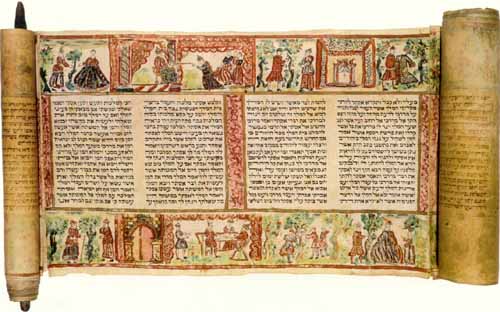
מְגִילַּת אֶסְתֵּר נִכְלְלָה כְּחֵלֶק מִן הַסְּפָרִים הַקְּדוֹשִׁים לְיַהֲדוּת וּכְחֵלֶק מִן הַקּוֹדֵקְס הַמִּקְרָא (22 סְפָרִים בִּלְבַד מִתּוֹךְ רַבִּים כְּגוֹן מִשְׁלֵי בֵּן סִירָה, סִפְרֵי הַמַּכַּבִּים, סֵפֶר הַיּוֹבְלִים וְעוֹד) עַל אַף שֶׁזֶּהוּ הַסֵּפֶר הַיְחִידִי הַנִּרְאֶה כְּהִיסְטוֹרִי בִּלְבַד וּשְׁמוֹ שֶׁל הָקָּבָּ"ה אֵינוֹ מוּזְכָּר בּוֹ אֲפִילּוּ פַּעַם אַחַת! בְּחִירָה מְעַנְיֶינֶת בְּיוֹתֵר, לְטַעְמִי גַּם שָׂמָה שֶׁל הַמְּגִילָּה "אֶסְתֵּר"- נִשְׁמַע כְּמוֹ "הֶסְתֵּר" מְרַמֵּז עַל "הֵיעָדֵר הַשְׁגָּחָה אֱלוֹהִית", אַף כִּי צֵרוּפֵי הַמִּקְרִים בִּמְגִילָּה אֵינָם מַשְׁאִירִים מָקוֹם לְסָפֵק בַּאֲשֶׁר לָאֶצְבַּע הַמְכַוֶּונֶת אֶת מַהֲלַךְ הָאֵירוּעִים. זוֹהִי הַסִּיבָּה הָרִאשׁוֹנָה לְמִנְהָג הַתַּחְפּוֹשֶׂת בְּפוּרִים, אוֹ, אִם תִּרְצוּ, לְכִיסּוּי הַפָּנִים בְּמַסֵּכָה (אַגַּב, הַמִּילָּה mask בְּאַנְגְּלִית הִגִּיעָה מִלָּטִינִית שֶׁלָּקְחָה אֶת הַמִּילָּה מ... עִבְרִית!), דָּבָר הַמְבָטֵא אֶת הֶסְתֵּר הַפָּנִים (שֶׁל הָקָּבָּ"ה) וְאֶת הֱיוֹתוֹ מֵאֲחוֹרֵי הַמָּסָךְ.

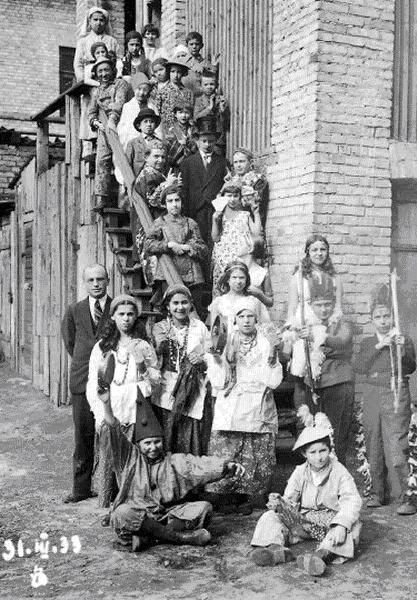
Children dressing up for Purim 1933
רַעְיוֹן הַתַּחְפּוֹשֶׂת מַגִּיעַ גַּם מִתּוֹךְ עִיקָּרוֹן ה"וְנַהֲפוֹךְ הוּא"- הִיפּוּךְ הַגּוֹרָלוֹת שֶׁהָיָה בַּמְּגִילָּה. בְּנוֹסָף עַל כָּךְ, יֶשְׁנָהּ הַהַנְחָיָה מִבֵּית הוֹרָאַתָם שֶׁל חֲזַ"ל הָאוֹמֶרֶת כִּי "חייב איניש לבסומי בפורים עד דלא ידע בין ארור המן לברוך מרדכי" (מגילה ז). אָדָם צָרִיךְ לִשְׁתוֹת לְשׁוכְרָה עַד אֲשֶׁר לֹא יַבְדִּיל בֵּין הָמָן וּבֵין מָרְדְּכַי- עָוֶול וְצֶדֶק, שָׁחוֹר וְלָבָן. טִישְׁטוּשׁ הַגְּבוּלוֹת הַבְּרוּרִים לָנוּ כָּל כָּךְ מֵעֶצֶם הַחַיִּים הַיְּהוּדִיים מְאַלֵּץ אוֹתָנוּ לְחַפֵּשׂ אֶת הָאֱמֶת שֶׁלָּנוּ, וְאוּלַי אַף אֶת הָאִישִׁיּוּת הָאֲמִיתִּית הַמּוּדְחֶקֶת וְהַמִּסְתַּתֶּרֶת מֵאֲחוֹרִי מְחִיצּוֹת וּמַסְכִּים בְּמֶשֶׁךְ הַשָּׁנָה כּוּלָּהּ וּמַרְגִּישָׁה בִּיטָּחוֹן לָצֵאת לְאוֹר רַק כַּאֲשֶׁר פָּנֵינוּ מוּסְתָרוֹת מֵאֲחוֹרִי מָסָךְ.
בֵּין הָעֵדוּיּוֹת הַהִיסְטוֹרִיּוֹת שֶׁיֵּשׁ לָנוּ עַל מִנְהָג הַתַּחְפּוֹשׂוֹת בְּפוּרִים (בְּאֵירוֹפָּה הֵחֵל מִן הַמֵּאָה ה16!) אָנוּ שׁוֹמְעִים גַּם עַל מִנְהָגִים נָכְרִיים לְהִתְחַפֵּשׂ בִּתְקוּפָה זוֹ שֶׁבָּהּ מַתְחִיל הָאָבִיב. וְכָאן, כְּמוֹ תָּמִיד, בָּאָה שְׁאֵלַת הַבֵּיצָה וְהַתַּרְנְגוֹלֶת- הַאִם הַסִּיבּוֹת לְתַחְפּוֹשֶׂת נוֹבְעוֹת מִתּוֹךְ הַיַּהֲדוּת אוֹ שֶׁמָּא הַיְּהוּדִים רָאוּ מִנְהָג נֶחְמָד וְהֶחְלִיטוּ לְאַמֵּץ אוֹתוֹ, תּוֹךְ שִׁימּוּשׁ בְּמֵתוֹדוֹלוֹגְיָה יְהוּדִית (כְּמוֹ בְּתוֹפָעַת הָהִיבְרִיש)?

פּוּרִים שָׂמֵחַ,

אָוסְנַת.
Dressing up on Purim

Shavua Tov and Happy Adar to all of you!

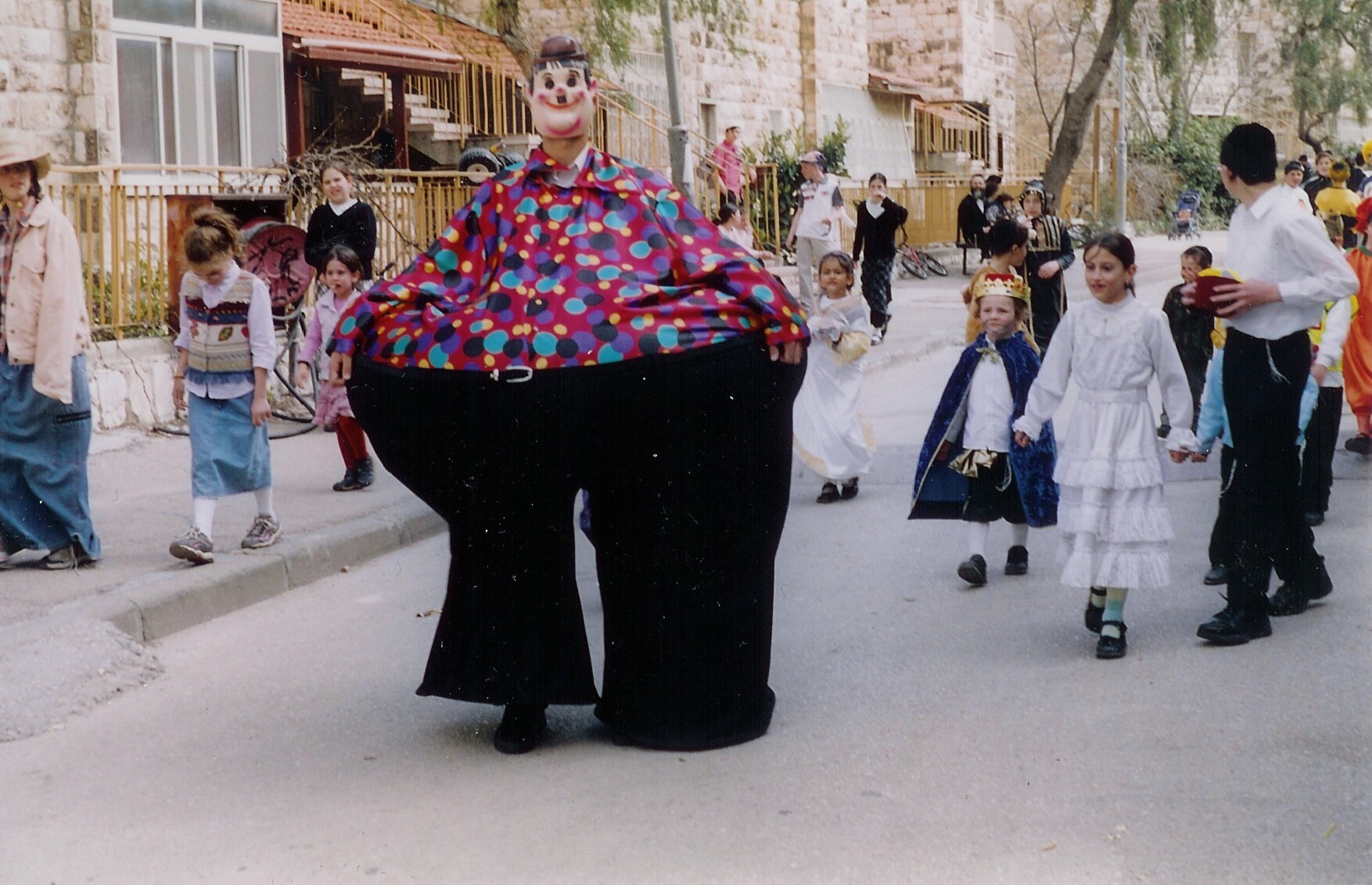
Purim in Jerusalem
In honor of the upcoming festival of Purim I wanted to play around a little with the root ח.פ.ש, the root of words such as "תַּחְפּוֹשֶׂת" (costume) but also of words such as "לְחַפֵּשׂ" (to seek). So, what's the connection between these words? And anyway where did the tradition to dress up in costume on Purim arise from?

The Megila (scroll) of Esther was included as a part of the Jewish holy books and as part of the Septuagint (which includes only 22 books out of many such as the wisdom of Ben Sira, Maccabees, the book of Jubilees and more) despite it being the single book that looks like a historical book alone and the name of G-d is not mentioned even once! – according to my reasoning this is the most interesting decision (when deciding what to include) . Additionally the name of the Megila- "Esther" sounds very much like "Hester" which is an indication of (the acronym for) "Lack of divine providence"; Although the coincidences in this Megila leave no room for doubt as to the finger which directed the course of events. This is the first reason for the tradition of dressing up on Purim, or if you wish, to cover your face with a mask (incidentally the word mask in English comes from Latin which to the word from…. Hebrew!) which expresses the concealment (of G-d) and being behind a screen.

The idea of dressing up appears also within the principle of "V'nahafoch hu"- the reversal of the destiny described in the Megila. In addition to this, there is the recommendation from the teachings of the sages which say that:

 (חייב איניש לבסומי בפורים עד דלא ידע בין ארור המן לברוך מרדכי" (מגילה ז"

One needs to drink to a state of drunkenness until he cannot distinguish between Haman and Mordechi, justice and injustice, black and white. Blurring the clear boundaries that for us are so crucial in the Jewish lifstyle forces us to find our own truth and even our real personality repressed and hidden behind barriers and masks throughout the year which only feels confident to come to light when its face is hidden behind a screen.

The Adloyada parade in Holon -details in newsletter
Amongst the historical evidence that we have for the custom of dressing up on Purim (in Europe beginning from the 16th century) we hear also about the foreign customs to dress up during this period which brings the beginning of Spring. And here, like always, comes the chicken and the egg question- Does the reason to dress up derive from Judaism or from what the Jews viewed as a nice custom to adopt, whilst using the Jewish slant (like the period of Hebreish)?


Happy Purim!

Osnat

For more details of Purim events and learning Hebrew see our website www.ulpanaviv.com and click on Newsletter.

Monday, February 27, 2012

יוֹם הַמִּשְׁפָּחָה

!For English scroll all the way down!
יוֹם הַמִּשְׁפָּחָה

לִכְבוֹד יוֹם הַמִּשְׁפָּחָה חָשַׁבְתִּי לְדַבֵּר עַל מָכְבֶּסָת הַמִּילִּים וְהִתְפַּתְּחוּת הַשָּׂפָה הָעִבְרִית.

הַתּוֹפָעָה אֵינֶנָּהּ מַשֶּׁהוּ חָדָשׁ, אֶלָּא מוּכֶּרֶת כְּבָר מִתְּקוּפַת הַתַּנַ"ךְ. מִי שֶׁקּוֹרֵא בַּתַּנַ"ךְ נוֹסַח הַמְסוֹרָה יָכוֹל לִרְאוֹת כִּי לְעִיתִּים, לְצַד הַטֶּקְסְט, מוֹפִיעָה מִילָּה נוֹסֶפֶת הַמַּחֲלִיפָה אֶת הַמִּילָּה הַנִּמְצֶאת בַּטֶּקְסְט בְּאוֹתָהּ הַשּׁוּרָה, לְמָשָׁל בִּשְׁמוּאֵל א' פֶּרֶק ו'. הַשִּׁינּוּי נַעֲשָׂה עַל מְנַת  שֶׁלֹּא לְדַבֵּר בְּשָׂפָה מְלוּכְלֶכֶת מִפְּאַת כְּבוֹד הַצִּיבּוּר וּכְבוֹד הַמִּקְרָא. גַּם כַּיּוֹם, אָנוּ נוֹהֲגִים לְכַבֵּס מִילִּים עַל מְנַת שֶׁיַּתְאִימוּ לְרוּחַ הַתְּקוּפָה- מִבְּחִינָה פּוֹלִיטִית, חֶבְרָתִית אוֹ תַּרְבּוּתִית. הַיּוֹם, לְמָשָׁל, כְּבָר לֹא נָהוּג לְכַּנוֹת אָדָם אוֹ קְבוּצָה עַל פִּי צֶבַע הָעוֹר אוֹ עַל פִּי הַמּוֹצָא  אוֹ עַל פִּי יְכוֹלוֹתָיו אוֹ אִי יְכוֹלוֹתָיו (בְּיִשְׂרָאֵל אֲנַחְנוּ קְצָת מְפַגְּרִים מֵאָחוֹר בְּעִנְיָין זֶה כְּמוֹ בִּשְׁאָר עִנְיְינֵי הַנִּימוּס...). כָּךְ הָפְכוּ כָּל מִילּוֹת הַתֵּיאוּר לַאֲנָשִׁים בְּעָלֵי מוּגְבָּלוּיוֹת שׁוֹנוֹת לְ"בַעֲלִי צְרָכִים מְיוּחָדִים"- בִּיטּוּי אֲשֶׁר אֵינוֹ מַדְגִּישׁ אֶת הַמּוּגְבָּלוֹת שֶׁל הָאָדָם אֶלָּא אֶת הַצַּד שֶׁבּוֹ הוּא "מְיוּחָד" יוֹתֵר וּמַעֲבִיר מַשְׁמָעוּת חִיּוּבִית יוֹתֵר. הַסְּפָרִים הָפְכוּ ל"מְעַצְבֵי שֵׂיעַר", הַמַּזְכִּירוֹת ל"מְנַהֲלוֹת אָדְמִינִיסְטְרָטִיבִיוֹת" וְכַדּוֹ'.

לְצַעֲרִי, כְּמוֹ כָּל תּוֹפָעָה, בְּנוֹסָף עַל הַדְּבָרִים הַטּוֹבִים אוֹתָם הִיא מְחוֹלֶלֶת הִיא גַּם סוֹחֶפֶת אִיתָּהּ וְלוֹקַחַת אֶת הַדְּבָרִים הַטּוֹבִים שֶׁהָיוּ לָנוּ לִפְנֵי פְּרוֹץ אוֹפְנָת הַשִׁדְרוּגִים- כְּמוֹ יוֹם הַאֶם, שֶׁנֶּעֱלַם וְחָלַף לוֹ עִם הַזְּמַן וּפִינָּה אֶת מְקוֹמוֹ לְיוֹם חָדָשׁ- "יוֹם הַמִּשְׁפָּחָה". כִּבְיכוֹל- זֶהוּ שִׁינּוּי מְבוֹרָךְ הַמֵּכִיל בְּתוֹךְ יוֹם זֶה אֶת כָּל סוּגֵי הַמִּשְׁפָּחוֹת- בַּעֲלוֹת הַמּוֹדֶל הַזּוּגִי הַדּוּ מִינִי, הַמִּשְׁפָּחוֹת  הַחַד הוֹרִיוֹת, הַחַד מִינִיוֹת וְכָל מִשְׁפָּחָה אָלְטֶרְנָטִיבִית שֶׁהִיא וּמַדְגִּישׁ אֶת הַקֶּשֶׁר הַמִּשְׁפַּחְתִּי וְלֹא רַק אֶת עָמַלָה שֶׁל הַאֶם. וּבֶאֱמֶת שֶׁאֲנִי מְבִינָה וְרוֹאָה אֶת הַצּוֹרֶךְ שֶׁבַּ"חַג הֶחָדָשׁ", אֲבָל לִפְעָמִים, רַק לִפְעָמִים, נִרְאֶה לִי שֶׁ"מֵּרוֹב עֵצִים לֹא רוֹאִים אֶת הַיַּעַר", וּמֵרוֹב קִשְׁרֵי מִשְׁפָּחָה שׁוּב לֹא רוֹאִים אֶת הַאֶם.

 Family Day
In honor of the day of the family (which fell at the end of last week) I thought that I would speak about 'cleaning' words and opening up the Hebrew language.


This phenomenon is not something new, rather we already recognize it from the time of the bible. Anyone who reads the bible with the Masoretic text (the authoritative Hebrew text of the bible), can see that sometimes, to the side of the text, appears an additional word which replaces the word which is found on the same line of the text, for example in Samuel 1:6. The change is made in order to refrain from saying dirty language in honor of the community and the bible. Also today we act to clean up our language in order to befit the general feeling of the period from a political, social or cultural standpoint. Today, for example, we don't designate a person or group based on the color of their skin, their ethnicity, their abilities or disabilities (in Israel though we are somewhat lagging behind in this matter just like in other matters of etiquette…). And so they have changed all the descriptive words for people with different disabilities to 'people with special needs' a phrase which does not emphasize the disabilities of the person rather the side that he is more 'special' and this makes the meaning more positive. Hairdressers have changed to become "hair designers", secretaries to "administration managers" e.t.c

Unfortunately, as with all phenomenon, in addition to the good things that they generate, they take over and capture the good things that existed before the penetration of the 'upgraded' fashion- like Mother's day which has disappeared and as time has passed, has given way to a new day of the month "Family day". Allegedly this is a welcome change which encompasses in one day all the types of family- two sex couples, single parent families, single sex and all alternative families and it emphasizes the family ties and not just the work of the mother. And in truth I do understand and see the need for the "new festival" but sometimes, just sometimes, it seems to me that "You can't see the forest from all the trees" and from all the family connections, again, you don't see the mother.

Sunday, February 19, 2012

Purim is on it's way

For English scroll down!


שָׁלוֹם לְכוּלָּם,
חוֹדֶשׁ אֲדָר מִתְקָרֵב וְאִיתּוֹ הָאָבִיב (וְהַאֲלֶרְגִיוֹת...), הַשִּׂמְחָה וְהַתַּחְפּוֹשׂוֹת שֶׁמְּמַלְּאוֹת אֶת הַחֲנוּיוֹת. אַווִירָת הַחַג כְּבָר שׁוֹטֶפֶת אֶת הָרְחוֹבוֹת וְיַחַד אִיתָּהּ אַווִירָת הַ"נַּהֲפוֹךְ הוּא". סִיפּוּר מְגִילַּת אֶסְתֵּר הוּא דּוּגְמָה מְצוּיֶּינֶת לְכָךְ שֶׁהַגַּלְגַּל יָכוֹל לְהִתְהַפֵּך וְהַמַּצָּב יִשְׁתַּנֶּה "אֲפִילּוּ חֶרֶב מוּנַּחַת עַל צַוָּוארוֹ שֶׁל אָדָם אַל יִמְנַע עַצְמוֹ מִן הָרַחֲמִים". וּבֶאֱמֶת, הַמַּצָּב שֶׁל יְהוּדֵי מַמְלֶכֶת אֲחַשְׁוֶורוֹש לֹא הָיָה יָכוֹל לִהְיוֹת גָּרוּעַ יוֹתֵר, אֲבָל בְּכָל זֹאת הַגַּלְגַּל הִתְהַפֵּך, וּבְלָשׁוֹן הַמְּגִילָּה: "וְנַהֲפוֹךְ הוּא". רַעְיוֹן הַהִיפּוּךְ נָתַן לִיהוּדִים סִיבָּה לִקְצָת שִׂמְחָה וְהוּמוֹר בְּחַיֵּיהֶם הַקָּשִׁים וְהַמָּרִים וּבְעִיקָּר נָתַן לִי סִיבָּה לִכְתּוֹב עַל הַשִּׁימּוּשִׁים הַשּׁוֹנִים לְשׁוֹרֶשׁ ה.פ.כ.

הָפוּךְ- שֵׁם תּוֹאַר. זֶה בְּעֶצֶם אוֹמֵר כָּל דָּבָר שֶׁאֵינוֹ כַּדֶּרֶךְ בָּהּ הוּא אָמוּר לִהְיוֹת:

הַחֶדֶר הָפוּךְ- יֵשׁ בָּלָאגַן.

הַחוּלְצָה הֲפוּכָה- חֶלְקָהּ הַפְּנִימִי נִמְצָא בַּחוּץ.

הַכְּתָב הָפוּךְ- כְּתָב רְאִי.

בֵּן גּוּרְיוֹן עוֹמֵד הָפוּךְ- הָרֹאשׁ לְמַטָּה וְהָרַגְלַיִים לְמַעֲלָה. 

קָפֶה הָפוּךְ הוּא בְּעֶצֶם תֵּיאוּר שֶׁל דֶּרֶךְ הַגָּשַׁת הַקָּפֶה- הֶחָלָב לְמַטָּה וְהָאֶסְפְּרֵסוֹ לְמַעֲלָה: וְכַמּוּבָן, הַכְוָונָה הִיא לְקָפֶה לָאטֶה.

אָומְנָם בְּדֶרֶךְ כְּלָל מַשְׁמָעוּת הַשּׁוֹרֶשׁ הִיא הִשְׁתַּלְשְׁלוּת אֵירוּעִים שֶׁלֹּא לְפִי הַצָּפוּי אוֹ מַשֶּׁהוּ מְנוּגָּד לְדֶרֶךְ הָרְגִילָה, אַךְ לִפְעָמִים לְשׁוֹרָשִׁים יֶשְׁנוֹ קֶשֶׁר שֶׁל נִיגּוּד (אוֹ הִיפּוּךְ, אִם תִּרְצוּ), כְּמוֹ לְמָשָׁל בַּמִּקְרֶה שֶׁלָּנוּ:
"הַיֶּלֶד גָּדַל וְהָפַךְ לְגֶבֶר"- זֶהוּ דָּבָר נוֹרְמָאלִי לַחֲלוּטִין, הִשְׁתַּלְשְׁלוּת אֵירוּעִים טִבְעִית וּצְפוּיָה. אוֹתוֹ הַדָּבָר לְגַבֵּי הַזַּחַל שֶׁהוֹפֵךְ לְגוֹלֶם וְאָז לְפַרְפַּר.

אֲנַחְנוּ אוֹמְרִים שֶׁהַשּׁוֹרֶשׁ מֵקֵל עַל הַהֲבָנָה שֶׁל הַמִּילִּים בְּעִבְרִית כִּי בְּעֶזְרָתוֹ אֶפְשָׁר לְזַהוֹת מִילִּים הַקְּשׁוּרוֹת בֵּינֵיהֶן, אַךְ לְצַעֲרֵנוּ זֶה גַּם יָכוֹל לְהַקְשׁוֹת לִפְעָמִים כַּאֲשֶׁר סוּג הַקֶּשֶׁר שׁוֹנֶה וּמְשַׁנֶּה אֶת הַמַּשְׁמָעוּת. וְעַל זֶה אוֹמְרִים בְּיִשְׂרָאֵל "הָפוּךְ עַל הָפוּךְ"- בְּמִקְרֶה וְאָדָם מַצִּיעַ לְפָנֶיךָ שְׁתֵּי אֶפְשָׁרוּיּוֹת כַּאֲשֶׁר הוּא מְנַסֶּה לְנַתֵּב אוֹתְךָ לְאֶפְשָׁרוּת מְסוּיֶּימֶת- הוּא יַצִּיג אֶת הָאֶפְשָׁרוּת הֶעְדִּיפָה עָלָיו כַּעֲדִיפָה לְךָ. אִם אַתָּה רוֹצֶה לִהְיוֹת מַמָּשׁ יִשְׂרְאֵלִי וּלְנַסּוֹת לְהִתְחַכֵּם- אַתָּה תִּבְחַר דַּוְוקָא בַּאוֹפְּצְיָה הַפָּחוֹת טוֹבָה, כִּי הִיא בֶּאֱמֶת הַטּוֹבָה יוֹתֵר. זֶה הָפוּךְ עַל הָפוּךְ. מְבַלְבֵּל? בְּרוּכִים הַבָּאִים לְיִשְׂרָאֵל! 


The month of Adar is approaching and with it the Spring (and allergies), the happiness and the costumes that fill up all the stores. The atmosphere of the festival is already flowing through the street and with it, the atmosphere of  "נַהֲפוֹךְ הוּא" the idea of turning things upside down. The story of Megilat Esther is an excellent example of this in that the wheel can rotate the situation can change "Even a sword placed on the neck of a man does not prevent itself from mercy". And in truth, the situation of the Jews in the kingdom of Achashverosh couldn't really have got any worse but despite all this, the wheel flipped and in the words of the Megila: "וְנַהֲפוֹךְ הוּא" . The idea of turning things on their heads has given Jews a reason to be happy and have a sense of humor in what is (often) a hard and bitter life and in essence has given me a reason to write on the different uses of the root ה.פ.כ.

הָפוּךְ – This is the adjective meaning inverted/ upside down. It essentially is speaking about 
everything that isn't the way that is meant to be:

הַחֶדֶר הָפוּךְ- The room is upside down, literally meaning there is a mess.

הַחוּלְצָה הֲפוּכָה- The shirt is inside out.

הַכְּתָב הָפוּךְ- mirror image (writing).

בֵּן גּוּרְיוֹן עוֹמֵד הָפוּךְ- Ben Gurion stance inverted- Head down, feet up.

קָפֶה הָפוּךְ-  'Upside down coffee' is actually a description of the way the coffee is served- milk at the bottom and espresso on top: Essentially it is a café latte!

Although usually the meaning of this root is a turn of events that are not expected or contrary to normal, sometimes with roots relating to conflict, their meanings change (or they reverse, if you will) such as in our case:

"הַיֶּלֶד גָּדַל וְהָפַךְ לְגֶבֶר" "The boy grew to become a man"- This is perfectly normal a natural series of events which is expected. The same thing goes for the larva which becomes ((הוֹפֵךְ a chrysalis and then a butterfly.

We say that the root promotes an understanding of Hebrew words because it helps in the ability to identify words which have a connection between them but unfortunately it can also make it harder, sometimes, when the type of connection is different and changes the meaning. And about this, in Hebrew we say: " הָפוּךְ עַל הָפוּךְ" (opposite of the opposite)- in essence is where someone presents you with two options whilst trying to send you towards a certain option, they will present the preferred option as if it is better for you. If you want to be very Israeli and try to be clever- you will choose specifically the least good option because it is really the best. This is הָפוּךְ עַל הָפוּךְ. Confusing? Welcome to Israel!!